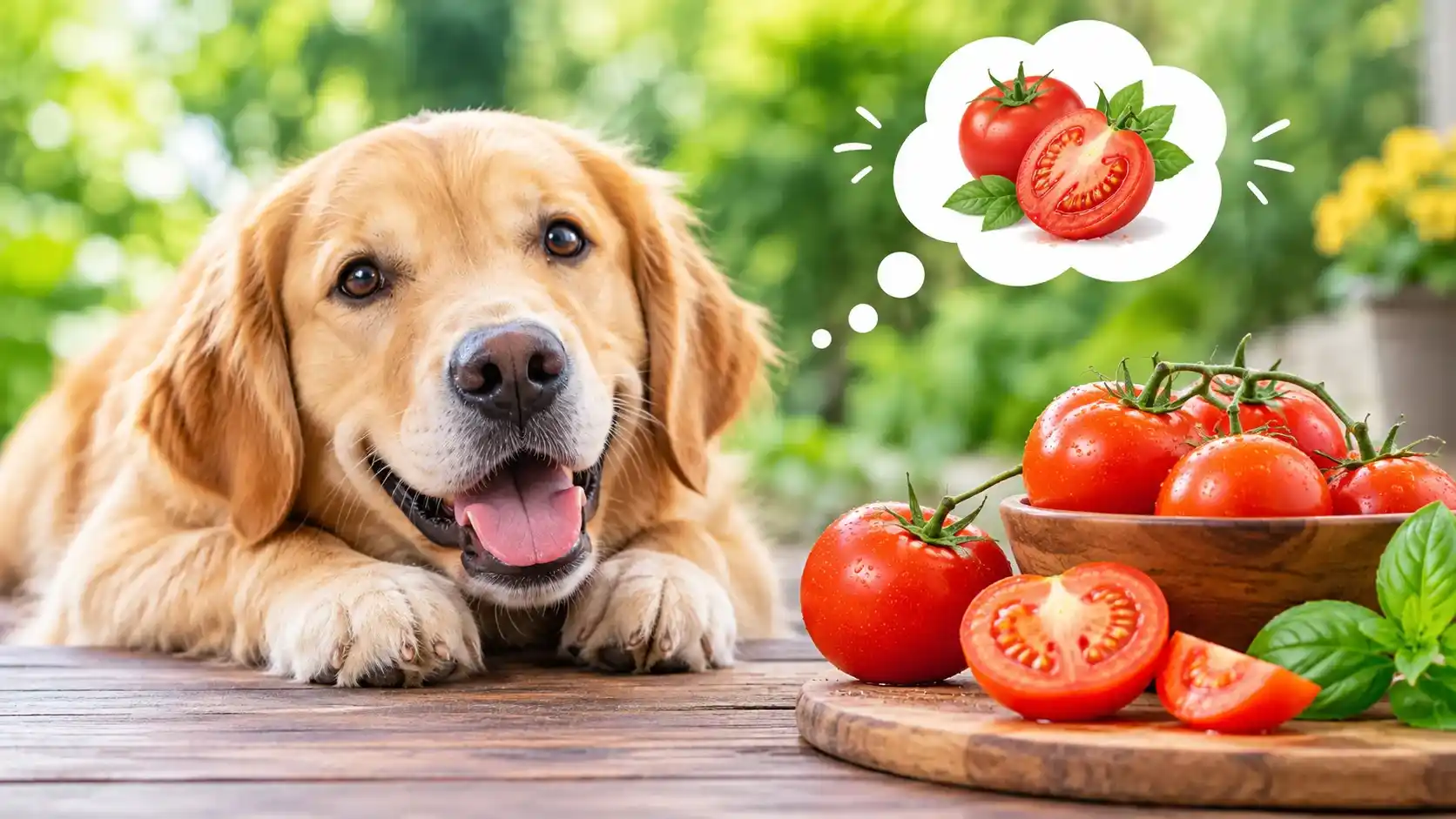
You are slicing a juicy tomato for a sandwich when a hopeful pair of eyes appears at your knee. A little drool, a tail thump, and the question hits you: can dogs eat tomatoes, or is that a mistake? You are not alone. Pet owners across the United States ask this every summer, especially when backyard gardens and farmers markets overflow with fresh produce.
The short answer is reassuring, with a few important catches. In this guide, you will learn exactly when the answer to “can dogs eat tomatoes” is yes, when it is a firm no, and how to serve this fruit safely. You will also find step-by-step prep instructions, a sample introduction plan, a safety checklist, warning signs to watch for, and a trail-day section for hikers who bring their dogs along. If your pup is your hiking partner, you will find that part especially useful.
Quick Answer: Can Dogs Eat Tomatoes?
Yes, in small amounts, but only if the tomato is fully ripe and red. Ripe tomato flesh is generally considered non-toxic to dogs and can be an occasional treat. Green tomatoes, stems, leaves, and vines are different. They contain compounds, such as tomatine, that can make dogs sick, so they should be kept away from your dog.
Here are the key takeaways for anyone searching “can dogs eat tomatoes” in a hurry:
- Ripe, red tomato flesh: fine as an occasional treat in small pieces.
- Green or unripe tomatoes: avoid.
- Stems, leaves, vines, and the plant itself: avoid.
- Tomato sauces, soups, and ketchup: usually a bad idea because of added ingredients like onion, garlic, salt, and sugar.
- Treats should stay a small part of your dog’s diet, and your veterinarian can tell you what is right for your dog.
| Tomato item | Safe for dogs? | Quick note |
|---|---|---|
| Ripe red tomato flesh | Generally yes, in small amounts | Occasional treat only |
| Cherry or grape tomatoes (ripe) | Yes, with care | Cut up to prevent choking |
| Green or unripe tomatoes | No | Higher levels of tomatine |
| Stems, leaves, and vines | No | Keep dogs away from the plant |
| Plain tomato sauce from ripe fruit | Sometimes, in moderation | Check for onion, garlic, salt, and sugar |
| Ketchup, pizza sauce, or salsa | Best avoided | Often contain onion, garlic, and extras |
Can Dogs Eat Tomatoes Safely? What Trusted Sources Say
When owners ask whether dogs can eat tomatoes, the most reliable answer comes from veterinary and pet-health organizations. The American Kennel Club (AKC) states that ripe tomatoes are considered non-toxic to dogs and can be fed in moderation as an occasional snack. The same guidance warns that the green parts of the plant, along with unripe green tomatoes, can lead to symptoms of tomatine poisoning.
Veterinary voices add a practical note: dogs do not need tomatoes. A dog food that is labeled complete and balanced is designed to meet your dog’s nutritional needs. According to a veterinary expert quoted by a well-known health publication, some dogs may not enjoy tomatoes or may end up with an upset stomach, so skipping them entirely is also a reasonable choice.
So the most honest answer to “can dogs eat tomatoes” has three layers:
- Safe? Ripe tomato flesh is generally considered safe in small amounts.
- Necessary? No. It is a treat, not a requirement.
- Risky? Only if the dog eats green tomatoes, plant parts, or tomato products with harmful add-ins, or eats too much.
You can read the AKC’s guidance directly on their page about whether dogs can eat tomatoes.
Can Dogs Eat Tomatoes? Why Ripe Fruit Differs From Green Tomatoes and Plants
Tomatoes belong to the nightshade family, which also includes potatoes and bell peppers. Plants in this family produce natural compounds that help protect them from pests. Understanding these compounds clears up most of the confusion around the question “can dogs eat tomatoes.”
What Is Tomatine?
Tomatine is a natural compound found in tomato plants. It is found mostly in the green parts of the plant, including the leaves, stems, and unripe fruit. As a tomato ripens, the levels drop, which is one reason red, ripe tomato flesh is considered much safer than a hard green one.
Tomatine poisoning in dogs is generally described as rare, and most dogs that experience it recover. Still, it can cause real discomfort, and a large ingestion is a good reason to call your veterinarian.
Which Parts of the Tomato Plant Are Safe?
| Plant part | Safe for dogs? |
|---|---|
| Ripe red fruit (flesh) | Generally yes, in moderation |
| Green or unripe fruit | No |
| Stems and the green cap | No |
| Leaves and vines | No |
| Flowers and seedlings | No |
A simple memory trick: if it is red, ripe, and on your cutting board, it may be okay in tiny amounts. If it is green or still attached to the plant, keep your dog away.
Can Dogs Eat Tomatoes for Health Benefits? Pros and Limits
People often ask “can dogs eat tomatoes” because tomatoes seem healthy for humans. They are a source of vitamins and water, and many people enjoy them for their flavor and nutrients. For dogs, however, the picture is more modest.
Possible Upsides
- Low-effort treat. A small piece of ripe tomato is a simple, whole-food snack for dogs that like it.
- High water content. Tomatoes are juicy, which some dogs find appealing on a warm day.
- Variety. Some owners like to rotate in small amounts of dog-safe produce.
Real Limits
- Not essential. A complete and balanced dog food already provides what your dog needs.
- Acidity. Tomatoes are acidic. Too much can upset a dog’s stomach, especially one with a sensitive digestive system.
- Many dogs just do not like them. And that is fine.
The healthiest way to think about can dogs eat tomatoes: if your dog enjoys a tomato slice, it can be a harmless extra. If not, you lose nothing by skipping it.
Can Dogs Eat Tomatoes in Different Forms?
The question “can dogs eat tomatoes” gets more complicated once a tomato is cooked, canned, or turned into a sauce. Here is how common forms compare.
Raw Ripe Tomatoes
Can dogs eat tomatoes raw? Plain, ripe, red tomato flesh is the simplest option. Wash it, remove the stem and any green parts, and cut it into small pieces.
Cherry and Grape Tomatoes
Yes, ripe cherry and grape tomatoes can be offered in small amounts, but their size creates a choking risk for small dogs and fast eaters. Cut them into smaller pieces and always remove the stem.
Cooked Tomatoes
Can dogs eat tomatoes once they are cooked? Plain cooked ripe tomato, with no oil, salt, onion, garlic, or seasoning, is generally fine in small amounts. Many cooked dishes, however, include ingredients that are harmful to dogs.
Tomato Sauce, Pizza Sauce, and Salsa
Plain sauce made only from ripe tomatoes may be tolerated in moderation. Store-bought and homemade sauces usually contain onion, garlic, salt, sugar, or spices. Onion and garlic can be harmful to dogs, so skip these products.
Ketchup and Tomato Soup
Ketchup and canned soups tend to be high in sodium and sugar, with seasonings that do not belong in a dog’s bowl. Check labels carefully, and when in doubt, leave them out.
Canned and Sun-Dried Tomatoes
Canned tomatoes often include added salt or flavorings. Sun-dried tomatoes are concentrated and may be salty or packed in oil and herbs. Neither is a good everyday treat for dogs.
Dog Foods That Contain Tomato
Some commercial dog foods list tomato or tomato pomace as an ingredient. That is different from feeding your dog fresh tomatoes, and it is formulated and tested as part of a complete diet. If you have questions about your dog’s food, ask your veterinarian.
7 Essential Rules for Feeding Tomatoes to Your Dog
If you decide the answer to “can dogs eat tomatoes” is yes for your dog, follow these seven rules.
Rule 1: Check With Your Veterinarian First
Every dog is different, so the answer to can dogs eat tomatoes varies. Age, size, breed, medical conditions, medications, and food sensitivities all matter. A quick conversation with your vet is the best first step, especially for puppies, senior dogs, and dogs with digestive or kidney issues.
Rule 2: Choose Only Ripe, Red Tomatoes
Use fully ripe, red tomatoes. In the can dogs eat tomatoes debate, ripeness is the deciding factor. Do not offer green, hard, or partially ripe fruit.
Rule 3: Remove All Green Parts
Cut away the stem, the green cap (calyx), and any leaves. Even a few leaves on a farmers market tomato are worth removing.
Rule 4: Keep Portions Small
Think of tomato as a treat, not a meal. Start with one or two small, bite-size pieces. Many veterinarians suggest keeping all treats to a small portion of your dog’s daily calories, so ask your vet what number is right for your dog.
Rule 5: Serve It Plain
No salt, oil, butter, onion, garlic, sugar, or seasoning. Plain is the safest way to answer “can dogs eat tomatoes” for any dog.
Rule 6: Cut It to a Safe Size
Chop tomatoes into pieces that match your dog’s size. Small dogs need much smaller pieces than large dogs, and cherry tomatoes should never be given whole to a small dog.
Rule 7: Introduce It Slowly and Watch Closely
Even when can dogs eat tomatoes gets a yes from your vet, offer a tiny amount once, then wait and watch for an upset stomach. Do not add several new foods at once, so you can tell what caused any reaction.
Step-by-Step: How to Serve Tomatoes to Your Dog
Once you have settled can dogs eat tomatoes for your dog, follow these steps each time to keep things simple and safe:
- Pick a ripe tomato. It should be fully red (or its natural ripe color) and firm but not hard.
- Wash it well. Rinse under running water to remove dirt and residue.
- Remove the stem and green parts. Pull off the green cap and trim away anything green.
- Cut out the portion you will use. Use a small slice or a few small cubes.
- Chop to size. Cut pieces small enough to prevent choking.
- Serve plain. Offer it as a treat by hand or in a bowl.
- Watch your dog. Look for any signs of stomach upset over the next several hours.
- Store the rest properly. Keep leftover tomato out of reach and refrigerated, and discard anything that looks spoiled.
Sample Plan: A 7-Day Tomato Introduction
If your veterinarian says the answer to can dogs eat tomatoes is yes for your dog, this gentle plan helps you test tolerance. It is a general template, not medical advice, so adjust it with your vet’s guidance.
- Day 1: Offer one tiny piece of ripe, plain tomato. Do not change anything else in your dog’s diet.
- Day 2: Watch for stomach upset, loose stool, vomiting, or low energy. If anything seems off, stop and call your vet.
- Day 3: If your dog seems fine, offer the same tiny amount again.
- Day 4: Rest day with no tomato. Keep monitoring.
- Day 5: Offer one or two small pieces if everything has been normal.
- Day 6: Rest day with regular food and treats only.
- Day 7: Decide whether tomato will be an occasional treat. If your dog was not interested or had any trouble, skip it for good.
After that, many owners treat tomato as a rare extra, not a daily habit.
Can Dogs Eat Tomatoes Without Problems? Warning Signs to Watch For
Even when the answer to can dogs eat tomatoes is yes, watch for signs of trouble with any new food. If a dog eats green tomatoes or plant parts, or too much ripe fruit, symptoms may include:
- Drooling
- Vomiting or diarrhea
- Stomach pain or a bloated, tense belly
- Loss of appetite
- Lethargy or weakness
- Confusion or unusual behavior
These signs can also point to other health problems, so do not wait to see if they pass if your dog seems unwell. Contact a veterinarian promptly. In an emergency or after hours, call an emergency vet clinic.
What to Do If Your Dog Ate Green Tomatoes or Tomato Plants
Staying calm and acting quickly helps. If you suspect your dog ate green tomatoes, stems, or leaves, follow these steps:
- Remove access. Take away any remaining plant or fruit and move your dog away from it.
- Note the details. Estimate what and how much was eaten, when it happened, and your dog’s weight.
- Call for professional advice. Contact your veterinarian, an emergency vet, or an animal poison control service such as the ASPCA Animal Poison Control Center. Some services charge a consultation fee, so check current details on their website.
- Follow instructions exactly. Do not try to make your dog vomit unless a veterinary professional tells you to.
- Monitor closely. Watch for the symptoms above and report any changes.
- Keep the packaging or a sample. A photo of the plant or product helps the professional assess the situation.
Save your vet’s number and an emergency clinic’s number in your phone before you ever need them.
Protecting Dogs From Your Tomato Garden
Asking can dogs eat tomatoes is smart, but many cases of tomato trouble start in the backyard, not the kitchen. Dogs that love to dig, sniff, and snack may sample whatever is within reach.
- Fence it off. A low fence or garden border can keep curious dogs out.
- Use raised beds or tall containers. These make it harder for dogs to reach the plants.
- Pick fruit promptly. Fallen tomatoes can be tempting, especially unripe ones.
- Clean up debris. Compost trimmings with stems and leaves, and keep the compost pile secure.
- Supervise garden time. Stay with your dog when the garden is open.
- Train a reliable “leave it.” This cue is useful in the garden, on walks, and on the trail.
Hiking With Your Dog: Can Dogs Eat Tomatoes on the Trail?
If your dog joins you on hikes, you may ask can dogs eat tomatoes as a trail snack. Realistically, tomatoes are not a great trail food for dogs. They are juicy and messy, they spoil in the heat, and they are not a source of lasting energy. A better plan is to stick with dog-approved treats and plenty of water.
Here are some practical trail tips:
- Pack your dog’s regular food and treats. Familiar snacks reduce the chance of a stomach upset far from home.
- Bring plenty of water and a collapsible bowl.
- Watch for wild plants and garden edges. Along rural routes and trailheads, dogs may sniff or nibble garden plants.
- Keep your dog leashed where required. Rules vary by park and trail, so check with the land manager.
- Know where the nearest vet is. Before a remote hike, look up emergency veterinary options near your destination.
Planning a hike with your four-legged friend? Browse our hiking trail guides for ideas, or explore the best hiking trails in NH if you are in the Northeast. And if you are gearing up yourself, our guide on how to choose hiking boots will help you stay comfortable on the trail.
Dog Snack and Safety Checklist
Use this checklist whether you are in the kitchen, the garden, or at the trailhead.
Kitchen Checklist
- Ripe, red tomato only
- Stem, cap, and leaves removed
- Washed and cut into small pieces
- Served plain with no salt, oil, onion, garlic, or seasoning
- Tiny portion, offered as an occasional treat
- Leftovers stored out of reach
Garden Checklist
- Plants fenced off or raised
- Fallen fruit picked up daily
- Trimmings and compost secured
- Dog supervised in the garden
Emergency Checklist
- Veterinarian’s number saved
- Emergency clinic’s number saved
- Poison control contact saved
- Your dog’s weight written down
Trail-Day Checklist for Dog Owners
- Water and a collapsible bowl
- Your dog’s regular treats and food
- Leash, collar, and ID tag
- Waste bags
- Basic pet first-aid items
- Map of nearby emergency vets
- Proof of vaccinations if required by the area
Common Mistakes to Avoid
- Feeding green tomatoes. They carry higher levels of tomatine.
- Offering tomato sauce or ketchup. These often contain onion, garlic, salt, and sugar.
- Giving too much. Even safe foods can cause stomach upset in large amounts.
- Letting dogs roam in the garden. Plants, stems, and leaves are the bigger risk.
- Assuming all dogs react the same way. Every dog has a different tolerance, even when can dogs eat tomatoes is a yes in general.
- Skipping the vet. When in doubt about can dogs eat tomatoes for your dog, ask a professional.
- Waiting too long when symptoms appear. Early advice is better than late worry.
Frequently Asked Questions
Can dogs eat tomatoes every day?
When owners ask can dogs eat tomatoes every day, the better answer is no. Even though ripe tomatoes are considered non-toxic, they are best as an occasional treat, not a daily food. A complete and balanced dog food should provide your dog’s core nutrition.
Can dogs eat tomatoes and tomato sauce?
Can dogs eat tomatoes in sauce form? Ripe tomatoes may be fine in small amounts, but most tomato sauces contain onion, garlic, salt, sugar, and other ingredients that are not good for dogs. Plain sauce made only from ripe tomatoes may be tolerated in moderation, but it is safer to skip it.
Can dogs eat cherry tomatoes?
Yes, ripe cherry tomatoes can be offered in small amounts. Remove the stem and cut them into smaller pieces, because whole cherry tomatoes can be a choking hazard for small dogs.
Can dogs eat tomatoes if they are green?
No. Green tomatoes are the exception to the can dogs eat tomatoes rule, since unripe fruit contains higher levels of tomatine and can make dogs sick. If your dog eats one, monitor closely and call your veterinarian for advice.
What happens if my dog eats a tomato plant?
Tomato plant leaves, stems, and vines can cause symptoms such as drooling, vomiting, diarrhea, lethargy, or weakness. Remove your dog from the plant and contact your vet or an animal poison control service right away.
Can puppies eat tomatoes?
Puppies have sensitive stomachs and are still growing, so ask your veterinarian before offering any new food, including tomatoes. For puppies, can dogs eat tomatoes is a question to settle with your vet first. In most cases, a balanced puppy food and vet-approved treats are the better choice.
Final Thoughts
So, can dogs eat tomatoes? Yes, ripe red tomato flesh is generally fine in small amounts as an occasional, plain treat, but green tomatoes, stems, leaves, and vines should stay far from your dog. Keep portions tiny, skip sauces and seasonings, introduce new foods slowly, and watch your dog closely.
If you remember one thing about can dogs eat tomatoes, remember that tomatoes are optional. If your dog loves them, enjoy the occasional snack. If not, nothing is lost. When you are unsure, your veterinarian is the best source of advice for your individual dog, and the AKC and ASPCA pages linked above are good places to confirm current guidance. Information can change, so double-check details with those official sources before making decisions.