Hikers who love a cushioned, lightweight feel are paying attention to On Cloud hiking boots. The brand is best known for running shoes, but its Cloudrock 2 Waterproof is marketed as a flagship hiking boot. This guide covers what it offers, how to choose and fit a pair, break-in tips, safety notes, a packing checklist, and a sample plan.
Quick answer: On Cloud hiking boots are lightweight, cushioned, waterproof options built around On’s CloudTec cushioning and Missiongrip rubber outsole. The Cloudrock 2 Waterproof is the main model, and fit matters most.
What Are On Cloud Hiking Boots?
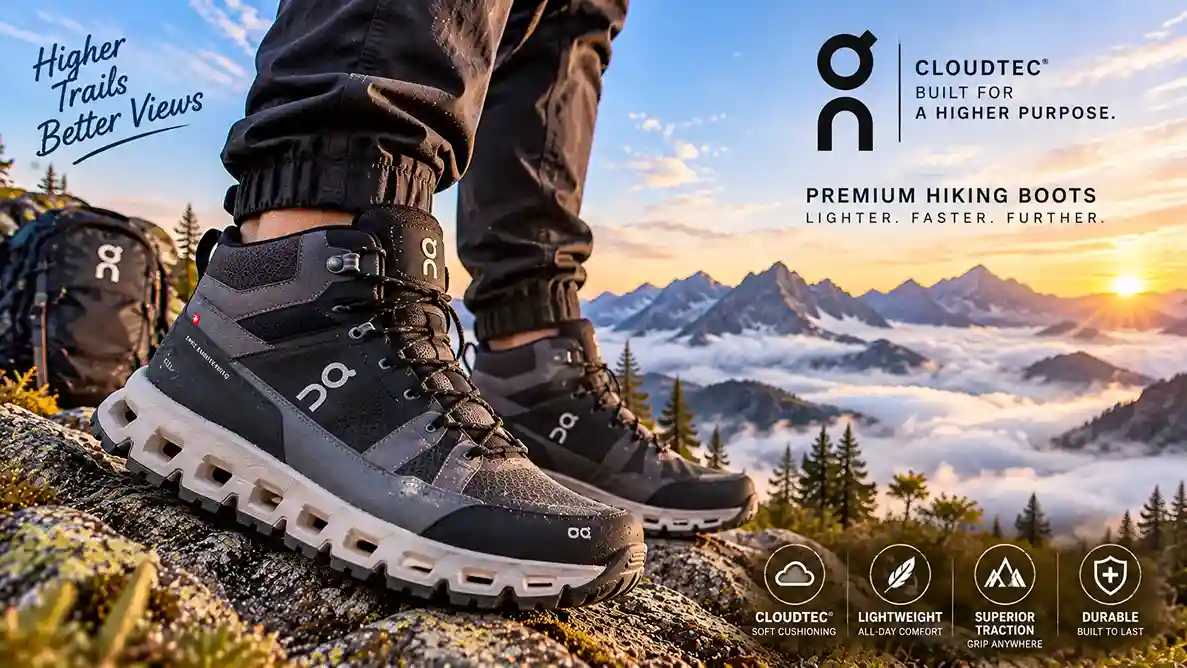
The brand’s official name is On, though many shoppers search for On Cloud. On Cloud hiking boots usually refers to the Cloudrock 2 Waterproof, which On describes as a waterproof boot for all trails and weathers. Retailers highlight CloudTec cushioning, a Speedboard plate for support, and a Missiongrip rubber outsole for traction in wet and dry conditions.
Key Features at a Glance
- CloudTec cushioning with a Speedboard plate
- Missiongrip rubber outsole with new forefoot lugs
- Waterproof membrane, listed as 20% recycled
- TPU toe cap and heel stabilizer
- Flexlock lacing with lace storage
- Closed midsole channel to shed debris
- 9 mm drop, per one European retailer
One retailer lists weights of 405 grams and 485 grams for different versions, so confirm the weight for your size before quoting it.
Who Are They For?
Day hikers and weekend hikers who want a light, cushioned boot with waterproof protection may enjoy them. If you carry very heavy loads or want a stiff, all-leather boot, a more traditional backpacking boot may be a better match.
Pros and Cons of On Cloud Hiking Boots
Pros
- Lightweight, cushioned feel
- Waterproof membrane
- Grippy rubber outsole
- Added heel stability and toe protection
Cons
- Fewer model choices than long-established boot brands
- Prices can run high
- Less rugged than full-grain leather boots for heavy loads
What to Look For in a Hiking Boot
Compare height, waterproofing, cushioning, weight, outsole grip, and width. Match each to your terrain and pack weight rather than choosing on looks.
How to Choose the Right On Cloud Hiking Boots, Step by Step
- Decide how you hike: short day trips, long days, or wet climates.
- Check that a mid-height, waterproof boot suits your climate.
- Shop in the afternoon, when feet are slightly larger, wearing your hiking socks.
- Leave about a thumb’s width in front of your toes.
- Walk up and down an incline, and check for heel slip.
- Test the lacing, including the Flexlock lace storage, for comfort and security.
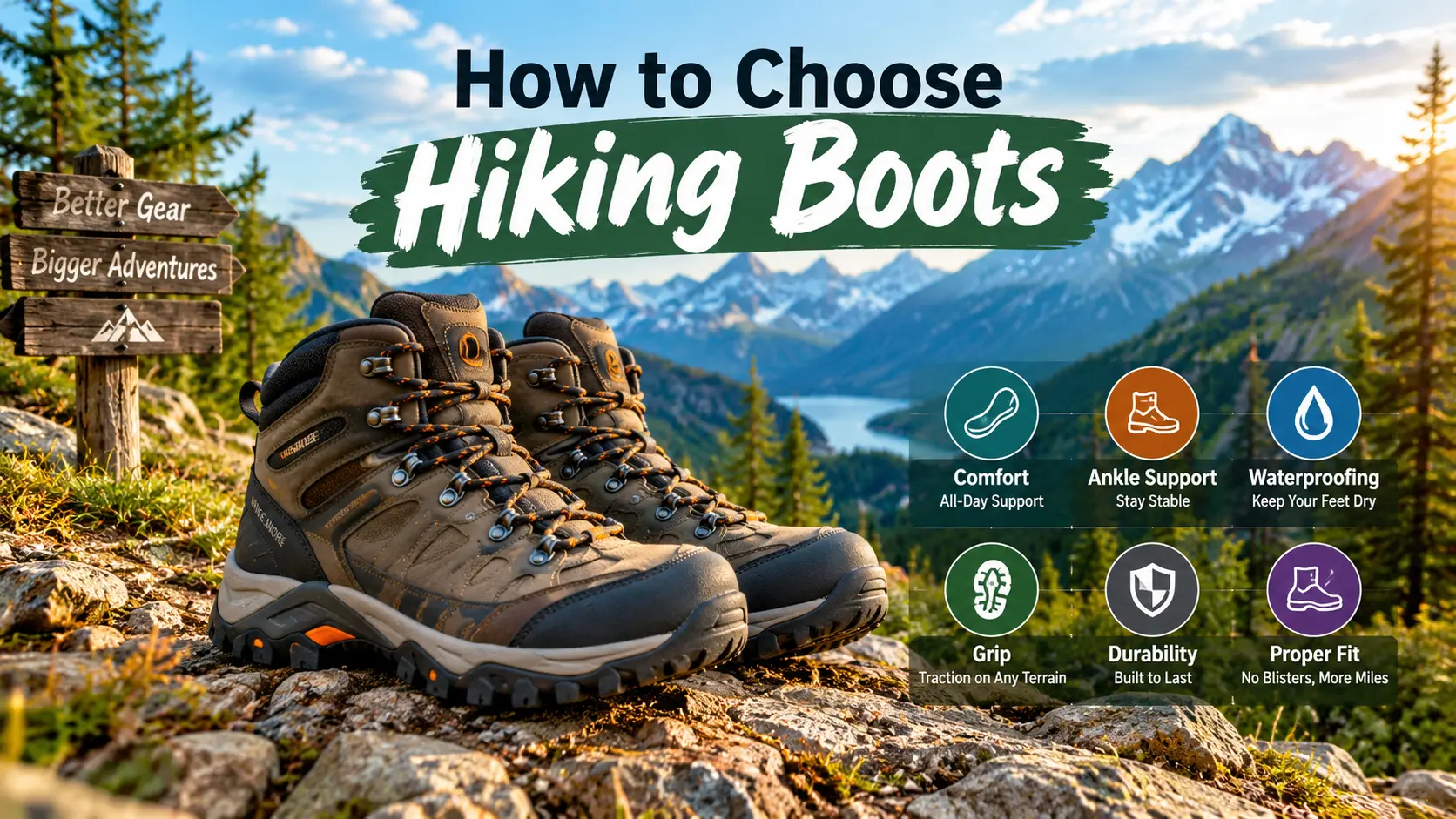
- Compare options in our guide on how to choose hiking boots.
Fit and Break-In Tips
Wear new boots around the house, then on short walks before longer hikes. Lace snugly at the heel and looser over the forefoot. Treat hot spots early with tape or blister pads. Even cushioned On Cloud hiking boots deserve a gradual break-in.
Sock and Insole Tips
Choose moisture-wicking wool or synthetic socks, and avoid cotton. The Cloudrock 2 has a removable insole, so bring any custom insoles when you try boots on.
Tips for Wet Trails
Waterproof boots keep rain and puddles out but can run warm. Wear gaiters in deep mud, carry spare socks, and dry boots slowly after a wet hike.
Safety Notes
- Wet rock, roots, and mud are slippery in any boot, so slow down.
- Waterproof membranes can wear out. Check for leaks and replace worn boots.
- Check weather, trail conditions, and closures with the managing agency.
- Carry water, a map, extra layers, and a first-aid kit.
- Follow Leave No Trace principles at lnt.org.
- Tell someone your route and return time.
Care and Cleaning
Brush off dirt, rinse with lukewarm water, and air-dry away from direct heat. Follow On’s care guidance, and replace boots when the tread or cushioning wears down.
Packing Checklist for On Cloud Hiking Boots Day Hikes
- Hiking socks and a spare pair
- Blister tape or pads
- Water and snacks
- Map and offline route
- Rain layer and warm layer
- Sun protection
- First-aid kit and headlamp
Sample Break-In Plan
- Days 1 to 3: Wear them indoors for short periods.
- Days 4 to 6: Walk 20 to 30 minutes outdoors, including hills.
- Day 7: Try an easy local hike. Browse our best hiking trails for ideas.
- After: Check your feet and boots, then adjust laces or socks.
On Cloud Hiking Boots vs. Traditional Hiking Boots
Traditional leather boots often offer more structure and durability for heavy loads. Lighter boots like the Cloudrock 2 can feel more agile and comfortable on moderate trails. Many hikers choose on cloud hiking boots for day hikes and a sturdier boot for heavy backpacking.
Common Mistakes to Avoid
- Buying without trying them on
- Skipping break-in
- Wearing cotton socks
- Ignoring worn tread
- Choosing a size without testing it with hiking socks
Price and Where to Buy
Prices vary widely by country, retailer, and season. I saw listings from about CAN $280 to about $220 USD, plus European prices around €250, but I could not confirm a current U.S. list price. Double-check current pricing on the official On website and trusted retailers, and confirm the return policy before you buy On Cloud hiking boots.
Frequently Asked Questions
Are On Cloud hiking boots good for hiking?
Many hikers like the cushioning, light weight, and waterproof protection. They are best suited to day hikes and moderate loads.
Are On Cloud hiking boots waterproof?
The Cloudrock 2 Waterproof uses a waterproof membrane, listed by one retailer with a 10,000 mm rating. Check each model’s description.
Do On boots run true to size?
Sizing varies by model and person, so try them on with hiking socks and check On’s size guide.
Can I use my own insoles?
Retailers list a removable inner sole, so many hikers can swap in custom insoles. Check fit before you buy.
How long do they last?
Lifespan depends on mileage, terrain, and care. Replace them when the tread or cushioning wears down.
Final Thoughts
On Cloud hiking boots can be a comfortable, lightweight choice for day hikes and moderate trails when you fit them carefully. Try them on, break them in gradually, and pack smart for every hike. Prices, models, and features change, so double-check details with On and trusted retailers before you buy. With the right pair of on cloud hiking boots, you can spend more time on the trail and less time thinking about your feet.