Deer Sled: 10 Best Tips for Easier Hauling (Proven Guide)
A deer sled can turn the hardest part of a successful hunt into a manageable one. Every hunter knows the feeling: the shot goes well, the work begins, and suddenly you are facing a long, tiring drag back to the truck. A good deer sled lets you pull the animal across leaves, snow, mud, and brush with far less effort than hauling it by the legs or antlers.
In this guide, a deer sled means a drag sled used by hunters to haul harvested deer and other gear, not a holiday sleigh. If you want a broader look at plastic utility sleds for ice fishing, firewood, and more, see our guide to the jet sled.
This article explains what a deer sled is, how to choose one, what you can expect to pay, and ten of the best tips for using it safely. You will also find a step-by-step drag routine, safety advice, notes on state rules, a hunt-day plan, and answers to common questions about the deer sled.
What Is a Deer Sled?
A deer sled is a low, sled-style hauler designed to carry or drag a harvested deer. Most are made of molded plastic or tough fabric, and many have runners or a smooth bottom so they glide over the ground. You attach a rope or harness to the front, lay the animal in or on the sled, secure it, and pull.
Some models are made specifically for deer and are sold in camo patterns. Others are general-purpose utility sleds that work for deer, firewood, decoys, ice fishing gear, and other loads. What they share is a simple goal: reduce friction and effort so you can move a heavy animal out of the woods.
How a Deer Sled Works
A deer sled spreads the animal’s weight across a smooth surface instead of letting it snag on every root and rock. The molded runners or slick bottom reduce friction, and the raised sides help keep the animal from sliding off. Once you start moving, the sled glides, so you spend less energy overcoming resistance.
Deer Sled vs. Dragging by Hand vs. a Game Cart
Dragging a deer by hand is the traditional method, and it is exhausting. A game cart with wheels works well on firm, open ground, but it can struggle in snow, mud, and brush. A deer sled shines in soft or uneven terrain, and it is usually lighter and simpler than a cart. Many hunters keep more than one tool and pick the best one for each hunt.
Benefits of a Deer Sled
There are many reasons hunters add a deer sled to their gear.
- Less strain: The sled glides, so you use less energy and protect your back.
- Cleaner hauls: Keeping the animal off the ground helps reduce dirt, leaves, and debris.
- Better control: Straps hold the animal in place so it does not roll or shift.
- Versatility: A deer sled can also carry firewood, decoys, tools, and camping gear.
- Simple design: There are no moving parts to break or maintain.
- Good for snow: A deer sled often works especially well when the ground is covered.
One hunter who tried a plastic sled said it was far easier than dragging a deer by hand, and he could pull it over logs, through brush, and up wooden ramps into a truck bed.
Types of Deer Sled
Not every deer sled looks the same, so here is a look at the main styles.
Rigid Plastic Utility Sleds
These are tough, molded sleds with raised sides and built-in runners. They are popular because they are durable and double as ice fishing and utility sleds. Many are made from polyethylene, and they are available in several sizes. They can be a little bulky to carry, but they hold up well.
Soft or Flexible Drag Sleds
Lighter, flexible drag sleds are thinner and easier to carry, which can be a big advantage if you hunt far from the road. They tend to cost less, but they may not be as durable on rough ground. They work best in snow or on smooth leaf litter.
Camo and Hunting-Specific Sleds
Some manufacturers sell camo versions of their sleds, along with accessories such as ropes, hitch attachments, and covers. Camo does not change how the sled performs, but many hunters like the look and the reduced visibility.
Game Carts and Wheeled Haulers
Although they are not sleds, wheeled carts are a common alternative. They can be great on trails and firm ground, but they may be harder to use in deep snow or thick brush. Many hunters carry a sled for soft terrain and a cart for hard-packed trails.
Deer Sled Sizes, Specs, and Prices
Sizes and prices vary by brand, so use these examples as a starting point and confirm everything before you buy.
- Junior size: Roughly 43 inches long, 21 inches wide, and 8 inches tall. It is easier to store and carry, but holds less.
- Regular size: Roughly 54 inches long, 25 inches wide, and 10 inches tall. This is a common choice for deer and general use.
- Extra-large size: Roughly 66 inches long, 31 inches wide, and 12 inches tall. This offers more room for big deer and extra gear.
Prices change often. At the time of this research, a regular Shappell Jet Sled was listed at about $59.99 at several retailers, one farm store listed it at $49.99, and a camo version was listed at about $79.99. One retailer listed prices ranging from about $39.99 to about $109.99 depending on the size and sale. Some sleds are oversized items that may require freight shipping, so check shipping before you buy.
Keep in mind that quality varies. One buyer reported holes in sleds after using them on rough snowmobile trails with exposed ground, which shows that plastic wears out quickly on rocks and pavement. Always check current prices and reviews on the maker’s page.
How to Choose the Right Deer Sled
The best deer sled depends on your hunting style.
Match the Size to Your Deer and Gear
If you hunt mostly whitetail deer, a regular-size sled is often enough. If you hunt larger animals or carry extra gear, consider an extra-large size. Make sure the sled is long enough that the animal can lie securely without hanging off the sides.
Think About Your Terrain
If you hunt in snow, almost any sled glides well. If you hunt over dry leaves, dirt, or rocks, choose a durable sled and consider adding runner guards.
Consider the Weight You Can Carry
A heavier sled is tougher but harder to carry into the woods. A lighter sled is easier to pack in, but may wear out sooner. Think about how far you hunt from your vehicle.
Plan How You Will Pull It
Most people pull a deer sled by hand with a rope or harness. If you plan to pull it behind an ATV or snowmobile, check whether the sled supports a hitch or tow bar.
Look at Durability and Reviews
Read reviews from hunters who use the sled in conditions like yours. A sled that works on snowy lake ice might not hold up on rocky ground.
Deer Sled Accessories
A few add-ons can make a deer sled even more useful.
- Rope or harness: A padded harness spreads the load across your shoulders and hips.
- Hitch or tow bar: Useful for ATV or snowmobile hauling, where allowed.
- Ratchet straps and bungee cords: These hold the animal in place.
- Sled cover: Helps keep snow, dirt, and rain off the load.
- Runner guards or skid plates: Protect the bottom from rocks and rough ground.
- Heavy-duty gloves: Protect your hands and keep them clean.
10 Best Tips for Using a Deer Sled
1. Practice Before the Season
Try your deer sled before opening day. Check the rope, practice loading, and make sure everything works. It is much easier to fix a problem in the driveway than in the dark.
2. Scout Your Exit Route
Before the hunt, walk the route between your stand and your vehicle. Look for logs, steep drops, and wet areas, and pick the smoothest path.
3. Make Sure Your Firearm Is Unloaded
Always unload your firearm and make it safe before you begin dragging. Sling it securely so it does not swing or snag.
4. Load the Animal Carefully
Place the deer in the sled so the weight is balanced and the head and legs do not drag. A well-balanced load tracks straighter and tips less.
5. Secure the Load
Strap the animal down so it cannot slide or roll. A loose load can shift and pull the sled sideways.
6. Use a Harness or Short Rope
A short, strong rope or a padded harness gives you better control than a long, loose line. On downhill sections, keep tension so the sled does not slide into your legs.
7. Pace Yourself
Dragging a deer is hard work. Take breaks, drink water, and do not rush. If you feel dizzy, short of breath, or chest discomfort, stop and rest.
8. Use a Partner When You Can
Two people make hauling safer and faster. One can pull while the other guides the sled or helps on slopes.
9. Protect the Sled from Rough Ground
Avoid dragging over bare rock, gravel, and pavement when you can. If you must cross a hard surface, lift the front of the sled slightly or carry it for that stretch.
10. Clean and Inspect After Every Hunt
Wash the sled, dry it, and check for cracks, loose straps, and worn spots. A small repair now can prevent a failure later.
How to Drag a Deer with a Deer Sled: Step-by-Step
Here is a simple routine you can adapt to your own situation. Always follow your state’s rules for tagging and handling harvested animals.
- Make the area safe. Unload your firearm and secure it.
- Handle the animal properly. Follow your state’s requirements for tagging and field handling.
- Position the sled. Place it beside the animal on flat ground, with the front pointing toward your exit route.
- Move the deer onto the sled. Roll or lift it carefully, using a partner if possible.
- Strap it down. Tie the animal securely so it will not shift.
- Attach your rope or harness. Make sure the connection is strong and comfortable.
- Start slowly. Take a few steps and check that the load tracks well.
- Keep an eye on the terrain. Steer around obstacles and avoid sudden turns.
- Rest often. Pace yourself and stay hydrated.
- Load the vehicle safely. Use a ramp or a partner, and secure the animal before you drive.
Deer Sled Safety Tips
A deer sled is simple, but hauling a heavy animal can be risky. Keep these safety tips in mind.
- Wear hunter orange where required. Follow your state’s rules and wear visible clothing during the haul.
- Keep the firearm unloaded. Sling it securely and keep the muzzle pointed in a safe direction.
- Know your limits. Dragging a heavy animal is strenuous, so rest often. If you have a health condition or concerns about exertion, talk to your doctor before hunting season.
- Watch your footing. Wet leaves, mud, and ice can be slippery, so wear boots with good traction.
- Be careful on slopes. A sled can slide faster than you walk, especially on downhill stretches with snow.
- Avoid roads. Do not drag a sled on a public road without checking local rules, and never tow people on a sled behind a vehicle.
- Tell someone your plan. Share your hunting area and expected return time.
- Carry a light and a phone. Hauls often go past dark.
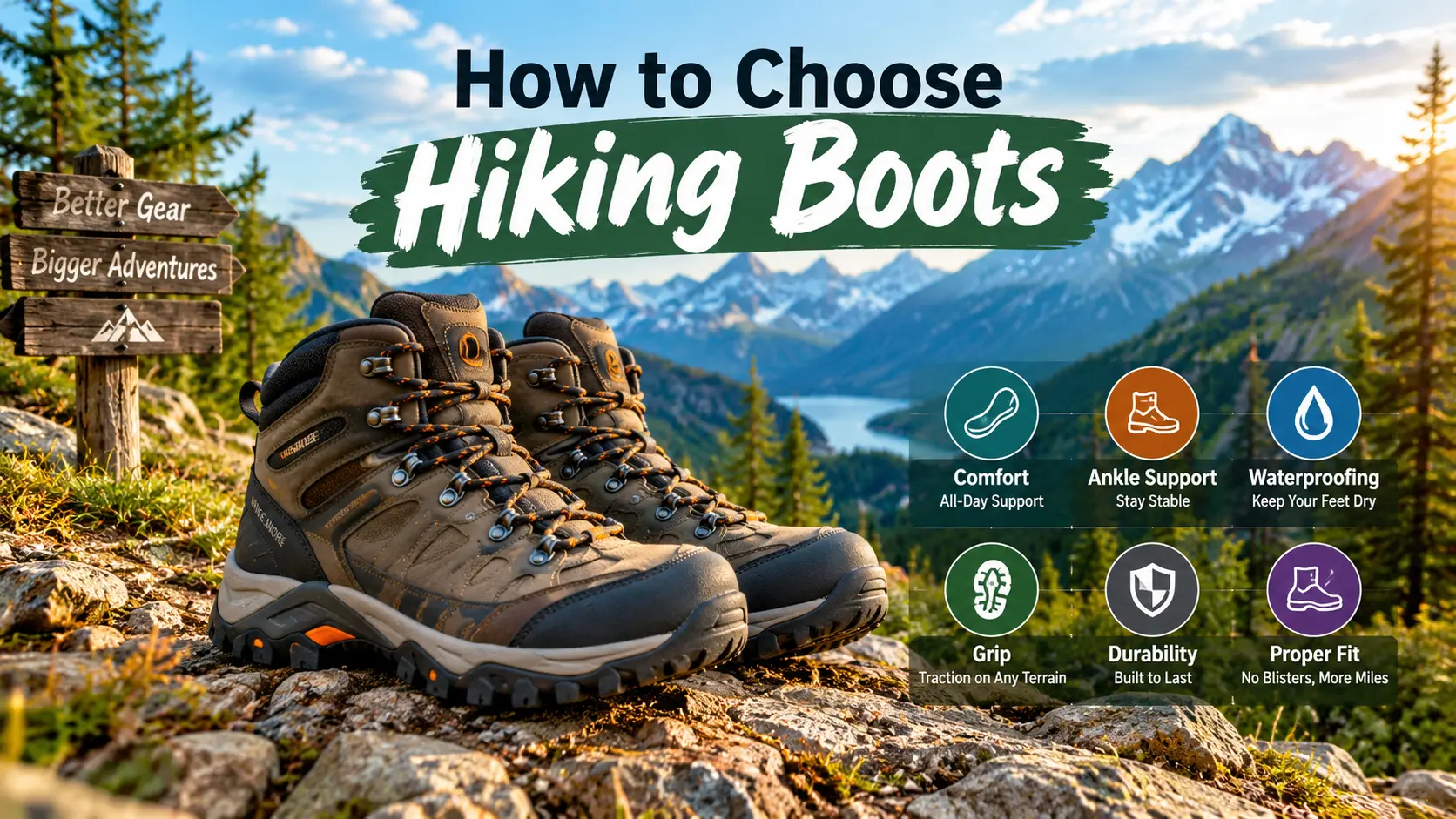
Good footwear matters during long hauls. Our guide on how to choose hiking boots covers fit, grip, and waterproofing, which also help on slippery hunting terrain.
Know the Rules Before You Haul: Tags, Zones, and CWD
Hunting rules vary a lot by state, and they change often. Before you use a deer sled, make sure you know how to tag, transport, and dispose of a deer in your area.
Chronic wasting disease, or CWD, is a major reason rules are changing. Some states restrict moving whole carcasses out of designated zones. For example, Idaho’s rules for 2026 make it unlawful to transport a whole deer carcass out of certain CWD management zones, with exceptions for certain parts. North Carolina announced that it replaced some zone transport restrictions with statewide carcass disposal requirements for the 2026-2027 season, while importation restrictions for out-of-state deer remain. New York requires hunters who harvest deer outside the state to debone venison before bringing it home.
Because the rules are different everywhere, always check your own state’s wildlife agency. You can see an example of how detailed these rules can be on the Idaho Fish and Game CWD zone rules page or the New York DEC chronic wasting disease page. If you hunt in another state, check that state’s current regulations and the rules for your home state too.
Using a Deer Sled in Snow, Mud, and Brush
Different conditions call for different techniques.
- Snow: A deer sled glides easily, and many hunters find the drag almost effortless on downhill sections. Watch for the sled sliding past you on slopes.
- Mud: Mud can grab the sled and add resistance. Take smaller steps, avoid deep ruts, and rest often.
- Dry leaves: Leaves provide a smooth surface, but hidden roots and rocks can snag the sled.
- Brush: Choose a path with fewer branches, and use a partner to guide the sled.
- Hills: Keep the rope short on downhills, and take extra care on steep slopes.
Deer Sled Care and Storage
A good deer sled can last for many seasons with simple care.
- Rinse and dry it after each hunt. Remove blood, dirt, and debris.
- Disinfect it if needed. Follow safe handling practices and avoid cross-contamination.
- Check for wear. Look at the runners, edges, and tow points.
- Store it out of the sun. Long exposure can weaken plastic.
- Keep it flat or hung up. Heavy items on top can warp it.
- Replace worn ropes and straps. Do not wait until they fail.
Common Deer Sled Mistakes
Even experienced hunters make these errors.
- Overloading the sled: Too much weight makes it hard to pull and can crack the plastic.
- Skipping the straps: A loose load shifts and tips.
- Dragging over rocks and pavement: It wears out the bottom quickly.
- Rushing the haul: Fatigue leads to slips and mistakes.
- Ignoring state rules: Tagging, transport, and CWD rules matter.
- Forgetting a light: Many hauls end after dark.
Deer Sled Alternatives
If a deer sled is not right for your situation, consider these options.
- Game cart: Good on trails and firm ground.
- ATV or UTV with a rack: Useful where vehicles are allowed.
- Quartering and packing out: Some hunters break the animal into parts in remote areas, following their state’s rules.
- Hunting partners: More people means a lighter load per person.
- Hauling services: Some outfitters and guides offer pack-out help.
A Sample Hunt Day Plan with a Deer Sled
Here is an easy plan for a day in the field.
Before the hunt: Check the weather, review your state’s rules, and pack your deer sled, rope, straps, and gloves. Tell someone your plan.
Morning: Hike in, set up, and note your exit route.
After a harvest: Make your firearm safe, tag the animal as required, and prepare to haul.
The haul: Load the sled, strap the animal down, and take your time on the way out.
Back at the truck: Load safely, clean up, and head home for processing.
Deer Sled Packing Checklist
- Deer sled in good condition
- Rope or harness
- Ratchet straps and bungee cords
- Heavy-duty gloves
- Headlamp with extra batteries
- Water and snacks
- Hunter orange as required
- Knife and field supplies, as allowed by your state
- Tags and license
- First aid kit
- Map and phone
- Trash bags and cleaning supplies
Frequently Asked Questions About Deer Sled
What is a deer sled used for?
A deer sled is used to drag or haul a harvested deer out of the woods. Many hunters also use it for firewood, decoys, and other gear.
What size deer sled do I need?
For most whitetail hunters, a regular-size sled is enough. If you hunt larger animals or carry extra gear, choose an extra-large size.
Can I use an ice fishing sled as a deer sled?
Yes. Many plastic utility sleds work for both ice fishing and hunting, but quality varies and plastic can wear out on rough ground.
How do I keep a deer sled from sliding downhill?
Keep the rope short, maintain tension, and walk below or beside the sled on steep sections. A partner can help on slopes.
Is a deer sled legal to use everywhere?
A deer sled is just a hauling tool, but hunting rules for tagging, transport, and carcass movement vary by state. Check your wildlife agency’s current rules before you hunt.
How much does a deer sled cost?
Prices vary widely. Basic sleds can cost around $40 to $60, while larger or camo models can cost $80 or more. Always check current prices.
Final Thoughts
A deer sled is one of the simplest ways to make a successful hunt easier on your body. Choose a size that fits your deer and your terrain, check the sled before the season, secure the load, and pace yourself on the way out. Know the rules in your state, especially about CWD and carcass movement, and keep safety at the center of every haul. For more outdoor guides, gear tips, and seasonal ideas, browse our hiking trails blog.