Jet Sled: 10 Best Uses and Tips for Winter Hauling (Ultimate Guide)
A jet sled is one of the most useful pieces of winter gear you can own. It looks simple, just a tough plastic tub with a rope, but once you start using one, you will find a job for it almost every week of the cold season. Ice anglers use a jet sled to haul rods, buckets, and shelters across frozen lakes. Hunters use it to drag gear and game. Families use it for firewood, camping supplies, and snow-day fun.
This guide explains what a jet sled is, how to choose the right size, and the ten best ways to use one. You will also find tips on packing, pulling, safety, and care, so you can get years of hard work out of your jet sled.
What Is a Jet Sled?
A jet sled is a rugged utility sled made from thick molded plastic with built-in runners on the bottom. The best-known maker, Shappell, builds its sleds in the USA from HDPE, a tough polyethylene designed to provide years of service, and the sleds are made to haul almost anything you can imagine, not just ice fishing tackle. The molded runners add strength and help the sled track straight over snow and ice.
The name has become a general term for this style of sled. Whether you buy a Shappell or a similar utility sled from another brand, the idea is the same: a lightweight, slippery, open tub that you can load up and pull behind you. Because a jet sled is open on top, it is easy to load and unload, and because it is made of plastic, it will not rust, rot, or absorb water.
Jet Sled Sizes and Specs
Choosing the right size is the most important decision when you buy a jet sled. Here are the main options from the best-known maker.
Standard Jet Sled
The regular size measures about 54 inches long, 25 inches wide, and 10 inches tall, and it weighs around 11.5 pounds. It is a great all-purpose size for solo anglers, day hunters, and anyone who wants a sled that is easy to carry and store.
Extra-Large Jet Sled
The XL measures about 66 inches long, 31 inches wide, and 12 inches tall, and it weighs around 21.5 pounds. It has much more room for bulky gear, such as a portable shelter, a heater, a sled-style seat, and a couple of buckets. The trade-off is weight and storage space.
Kodiak Jr. Heavy-Duty Option
The Kodiak Jr. is a heavy-duty version of the Jet Sled, at roughly 43 inches long, 21 inches wide, and 9 inches tall, and weighing about 8 pounds. It is smaller, but it is built for tougher conditions, which makes it a good pick for rough ground and kids’ gear.
Typical Prices
Prices change, but at the retailers I checked, a standard Jet Sled was listed at about $60, while an XL was closer to $110. Many stores also list the larger sizes as oversized items, which can add shipping costs or require in-store pickup. Always check current prices before you buy.
10 Best Uses for a Jet Sled
A jet sled is a true multitasker. Here are ten of the best ways to put one to work.
1. Hauling Ice Fishing Gear
This is the classic use. A jet sled carries your auger, rods, tackle box, bucket, and flasher across a frozen lake in one trip. Without a sled, you might need two or three trips or a heavy backpack. A sled also keeps your gear off the wet ice and makes it easy to pull everything to your spot.
2. Moving a Portable Ice Shelter
Flip-over shelters and pop-up tents can be heavy and awkward to carry. A jet sled gives you a place to load the shelter, plus your heater, seat, and extras, then pull everything as a single load.
3. Dragging Big Game
Hunters use a jet sled to haul gear in and carry big game out. The slick plastic bottom glides over snow, which can save a lot of effort when you are pulling a heavy load out of the woods. Check local hunting rules, and make sure you know how to handle game safely.
4. Hauling Waterfowl Gear and Decoys
Waterfowl hunters use a jet sled for decoys, blinds, and ammo, especially on the way to a marsh or a frozen field. A sled keeps the gear organized and protects your back.
5. Carrying Firewood
If you heat with wood or enjoy a backyard fire pit, a jet sled makes it easy to move firewood from the stack to the house. It holds a surprising amount, and it slides across snow without the need for a wheelbarrow.
6. Winter Camping and Hiking Gear
This is a great fit for a hiking and outdoors site. A jet sled can work like a simple pulk, a sled that carries gear across snow so you do not have to carry it on your back. It is a good choice for short winter camping trips on flat, snowy ground, as long as the route is gentle and you pack it securely.
7. Family Snow Days
A jet sled can pull a small child across snow or carry snacks, blankets, and thermoses to a sledding hill. Some owners even use them to pull little kids around the yard. Keep it slow and gentle, and avoid using a utility sled on steep hills, since it does not have steering or brakes.
8. Farm and Yard Chores
On a farm or large property, a jet sled hauls feed, tools, small animals, and supplies through snow, mud, or tall grass. One owner reported using theirs for hauling firewood, decoys, and even a sick calf, which shows how versatile a sled can be.
9. Keeping Mud Out of Your Vehicle
If you hunt, fish, or metal detect, a jet sled can serve as a tub that keeps muddy, wet gear from ruining your truck. Load the sled, slide it into the vehicle, and you can pull out everything at once.
10. Off-Season Odd Jobs
A jet sled is not just for winter. Use it to move mulch, leaves, bagged fertilizer, or camping gear around the yard. It is light, tough, and easy to clean, which makes it handy all year.
How to Choose the Right Jet Sled
Not every jet sled fits every job. Think about these factors before you buy.
Match the Size to Your Gear
Lay out the items you usually carry and measure them. A standard jet sled is perfect for a solo angler, while an XL works better for a shelter and a full set of gear. If you only haul small loads, a smaller sled is easier to pull and store.
Check Whether It Fits in Your Vehicle
Owners often mention that a jet sled fits in the back of an SUV with the seats down. Measure your cargo area before you buy an XL so you are not surprised on the first trip.
Think About Weight and Pulling Effort
A standard jet sled weighs a little over 11 pounds, while an XL is nearly double that. The lighter sled is easier to carry and pull, which matters on long walks. If you will mostly be pulling it by hand across a lake, think about how much strength you want to use.
Consider Your Terrain
If you pull a sled mostly across smooth snow and ice, almost any jet sled will do. If you drag it over dirt, rocks, and pavement, expect more wear. Some buyers report scratches and holes after using a sled on rough surfaces, such as snowmobile trails with exposed ground, so choose a heavier-duty model or add protection if that sounds like your use.
Jet Sled Accessories and Upgrades
A jet sled works great out of the box, but a few accessories can make it even better.
- Tow rope or harness: A comfortable rope or shoulder harness makes long pulls easier on your hands and back. Many sleds come with a tow rope, but you can upgrade to a padded harness.
- Runner rails or skid plates: Some owners add rails to the bottom of the sled to protect the plastic from scratches when pulling over dirt, pavement, or rocky snow, and they say it also helps the sled track better.
- Tie-down straps and bungee cords: These keep your load from shifting or falling out when you go over bumps.
- Sled cover: A fitted cover keeps snow, wind, and rain off your gear and holds everything in place.
- Storage bags and dry sacks: Use these to keep clothes, food, and electronics dry.
- Rod holders and bucket seats: Some anglers add accessories to turn a sled into a rolling fishing station.
How to Pack a Jet Sled
A well-packed jet sled pulls smoothly, while a poorly packed one tips and tangles. Follow these simple steps.
- Put heavy items on the bottom and in the center. This keeps the sled stable and helps it track straight.
- Pack soft items around hard gear. Use clothing or foam to cushion fragile items like electronics or rods.
- Keep gear you need often near the top. You will thank yourself when you need your gloves or a snack.
- Secure everything with straps. Even a short pull can shake loose a bucket or heater.
- Use dry bags for anything that can get wet. Snow, slush, and spray find their way in.
- Do not overload the sled. An overloaded sled is hard to pull and can crack or flip.
How to Pull a Jet Sled
There are several ways to pull a jet sled, and each has its own best practices.
Pulling by Hand
For short trips, a simple rope around your waist or a handheld loop is enough. A harness spreads the load across your hips and shoulders, which is more comfortable on long distances. Keep the rope short enough that the sled does not bump into your heels on downhills.
Pulling Behind a Snowmobile or ATV
Many people tow a jet sled behind a snowmobile or ATV. Use a rope or pole of the right length so the sled does not overrun your vehicle on stops or hills. Go slowly, avoid sudden braking, and never let people ride on a utility sled behind a moving vehicle unless it is designed for that. A sled has no steering and no brakes, so it can swing or slide in unexpected ways.
Pulling Across Ice
On a frozen lake, a jet sled glides easily. Keep your speed low, watch for cracks, slush, and pressure ridges, and be ready to cut a rope if the sled starts to drag you in the wrong direction.
Jet Sled Safety Tips
A jet sled is simple, but the environments where you use it can be dangerous. Keep these safety tips in mind.
- Check the ice before you walk on it. Ice thickness and quality vary a lot by lake and weather. A commonly cited minimum for walking is about four inches of clear, solid ice, but conditions differ, so check local guidance from your state’s wildlife or natural resources agency, such as the Minnesota DNR.
- Stay off thin or moving ice. Rivers, inlets, and areas near springs can have weak spots.
- Do not overload the sled. A heavy load is harder to control, especially on slopes.
- Keep the load balanced. A top-heavy sled can tip over and spill gear.
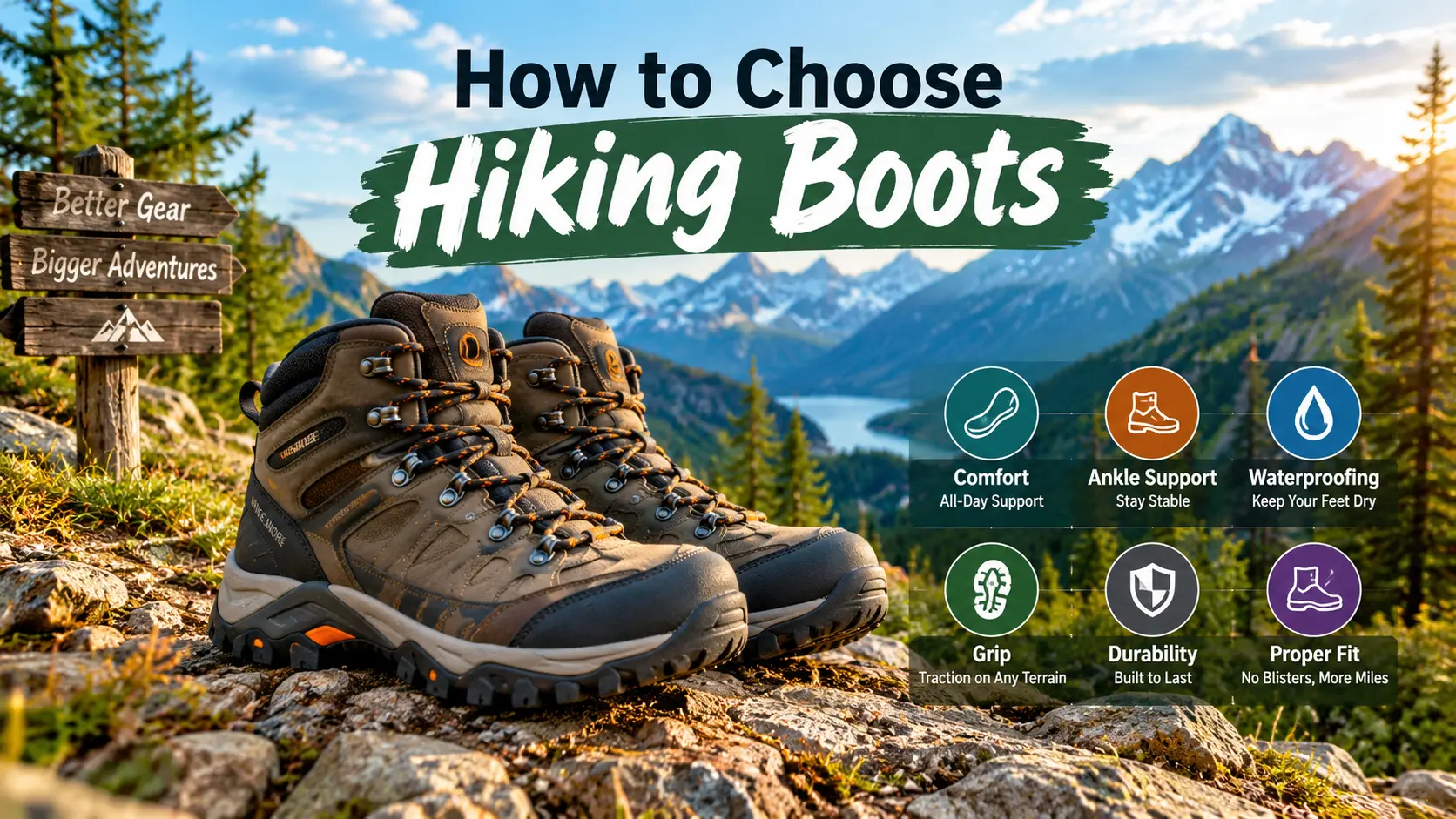
- Wear proper footwear. Warm, waterproof, grippy boots matter on slick ice and snow. Our guide on how to choose hiking boots covers fit and waterproofing tips that also work for winter use.
- Tell someone your plan. Let a friend know where you are going and when you expect to return, especially if you go alone.
- Carry safety gear. Ice picks, a rope, a whistle, and a first aid kit can make a big difference.
Jet Sled Care and Storage
A good jet sled can last for years if you take care of it.
- Rinse and dry it after use. Remove dirt, mud, and fish slime to prevent odors and keep the plastic in good condition.
- Avoid dragging it on pavement or sharp rocks. Plastic wears down, and scratches can lead to cracks. If you must cross bare ground, carry the sled or lift the front end.
- Check the runners and holes. Look for cracks, gouges, or worn spots, and repair or replace the sled if they get deep.
- Store it out of direct sun. Long sun exposure can weaken plastic over time.
- Keep it flat or hang it up. Storing it under heavy items can warp it.
Jet Sled vs. Other Utility Sleds
Not sure whether a jet sled is the right choice? Here is how it compares.
Jet Sled vs. Deer Drag Sled
Deer drag sleds are usually cheaper, often priced around $30 to $50, and they can be softer and more flexible. A jet sled is typically stiffer and more rigid, with molded runners that help it track straight. If you want a lightweight, simple sled for occasional use, a drag sled may do the job. If you want something sturdier for ice fishing and heavy loads, a jet sled is often a better fit.
Jet Sled vs. Pulk
A pulk is a sled designed for long-distance winter travel, often with a harness and poles. It is better for multi-day trips on skis or snowshoes. A jet sled is simpler, cheaper, and good for short hauls.
Jet Sled vs. Kids’ Sled
A kids’ sled is made for hill sledding, with a smooth bottom and a seat. A jet sled is made for hauling, so it does not belong on steep hills.
Best Time to Use a Jet Sled
Winter is the main season for a jet sled, and the best conditions are packed snow and solid ice, where the sled glides easily. Deep powder can slow it down, and wet slush can make it drag. Early morning is often the best time because the snow is firmer and cold temperatures keep the surface slick. Remember that a jet sled works year-round for chores, so you can keep using it after the snow melts.
Jet Sled Packing Checklist for Ice Fishing
Here is a simple checklist you can adapt for your own trips.
- Ice auger and blade guard
- Rods, reels, and tackle box
- Bucket or portable seat
- Portable shelter and anchors (if you use one)
- Heater and fuel, used with proper ventilation
- Flasher or fish finder and battery
- Skimmer and ice picks
- Warm layers, dry gloves, and extra socks
- Hot drinks, snacks, and water
- Rope, straps, and a small first aid kit
Frequently Asked Questions About Jet Sled
What is a jet sled used for?
A jet sled is used for hauling gear across snow and ice. People use it for ice fishing, hunting, firewood, camping, and farm chores.
How much weight can a jet sled hold?
It depends on the model, so check the manufacturer’s specifications. A good rule is to load it so that you can pull it comfortably and so that the sled does not flex or crack under the weight.
What size jet sled should I buy?
A standard size works well for solo anglers and light loads, while an extra-large jet sled is better for shelters and bulky gear. Measure your gear and your vehicle before you decide.
Can I use a jet sled for sledding down hills?
It is not designed for that. A jet sled has no steering or brakes, so it is better for hauling than for hill sledding. If you want a sled for slopes, choose a toboggan with a steering option.
Can I tow a jet sled behind a snowmobile?
Yes, many people do, but use the correct rope length, go slowly, and never let someone ride on it unless it is made for that. A sled can swing or slide unexpectedly.
How do I make my jet sled last longer?
Avoid dragging it over pavement and rocks, store it out of the sun, and consider adding runner rails if you cross rough ground often.
Final Thoughts
A jet sled is a simple tool with a long list of uses. It makes ice fishing trips easier, helps hunters haul gear and game, keeps firewood and supplies moving, and can even work as a basic winter camping sled. Choose the right size, pack it carefully, pull it safely, and take care of it, and your jet sled can serve you for many winters. For more outdoor gear ideas, trail guides, and seasonal tips, browse our hiking trails blog.
Now that you know how to choose and use a jet sled, pick the size that fits your gear, load it up, and enjoy an easier day in the snow.