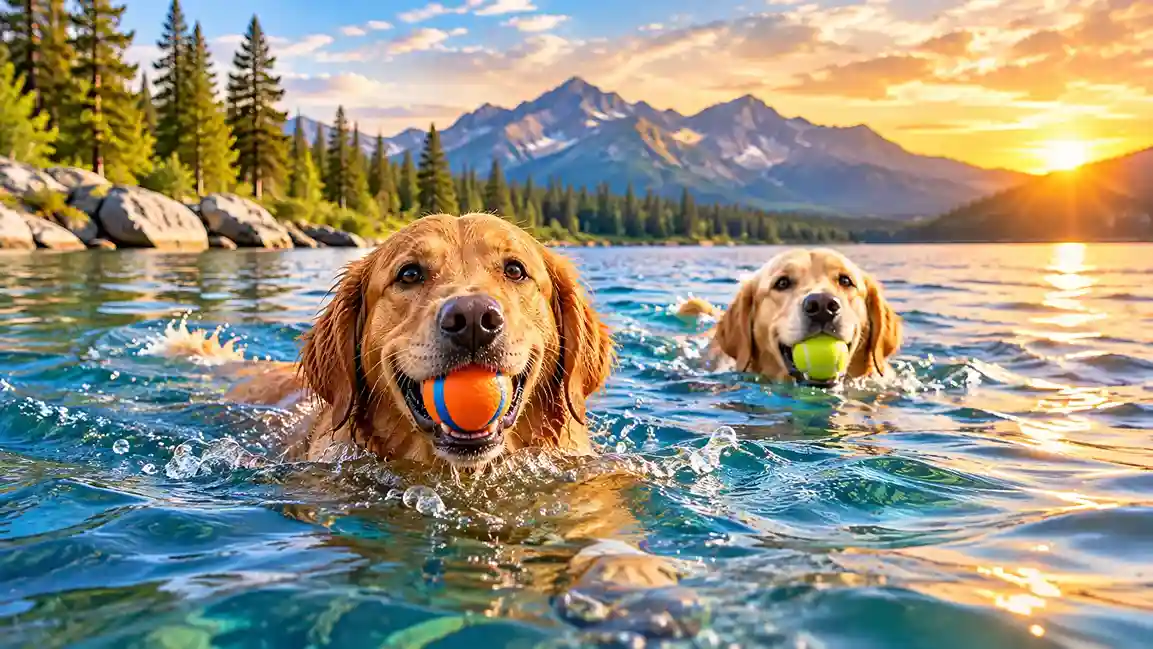
Few things beat the sight of a happy dog with ears flapping in the breeze on a lake, river, or bay. But dogs on the water face risks that many owners overlook, from heat and slippery decks to unsafe water and falls overboard. This guide covers how to prepare your dog, what gear to pack, how to spot unsafe water, and how to plan a safe outing. It is general education, so check with your veterinarian about your dog’s health, fitness, and any medications before you head out.
Are All Dogs Natural Swimmers?
Not all dogs on the water are comfortable there. Boat-Ed advises leaving a pet at home if it has an intense fear of water or boats. Even strong swimmers can tire, get chilled, or panic in unfamiliar water. Start slowly, watch your dog’s body language, and never force a dog to swim or board a boat.
Ask your veterinarian whether your dog is healthy enough for boating and swimming, and about medication if your dog gets queasy.
Life Jackets for Dogs on the Water
Boat-Ed says a life jacket is not required for dogs but is a good idea, even for dogs that can swim. It recommends a well-fitting jacket with a handle so you can lift your dog from the water, and says to let your dog practice swimming in it before the trip.
How to Check the Fit
GEICO’s boating guide says to choose a dog life jacket by the manufacturer’s weight ratings and to make sure you can slip two fingers underneath once it is fastened. It also says to recheck the fit when the jacket is wet, since it can loosen. GEICO adds that the flotation is centered on the back and may not keep a dog’s face clear of the water, so supervise your dog even when it wears a jacket.
Do Not Forget Your Own
The U.S. Coast Guard says there is “no excuse not to wear a USCG Approved lifejacket or buoyancy aid while on the water” and that a life jacket “should be worn at all times when the vessel is underway,” though this is “not always required by law.” The Coast Guard page does not mention pets, so use it as a reminder to wear your own jacket too. You can read the details on the U.S. Coast Guard life jacket page.
Train Your Dog Before Hitting the Water
Dogs on the water behave best when they know what to expect, so train first.
- Practice basic commands. Boat-Ed suggests teaching “sit,” “stay,” and “on/off boat.”
- Reward good behavior. Treats help, especially when there is a lot of activity.
- Introduce water gradually. GEICO says to let your dog spend plenty of time on the boat and introduce water step by step.
- Practice in the life jacket. Try it in shallow, calm water first.
- Stay close. Keep your dog within sight, as you would a child, says Boat-Ed.
Keep Dogs on the Water From Falling Overboard
Boat-Ed recommends a snug-fitting harness rather than a collar, which could injure the neck. It suggests tying the leash to a secure point while underway and checking that it is not tangled or uncomfortable. In rough water, hold your dog close or in your lap. Non-slip strips can improve footing on slippery spots.
GEICO recommends a harness and leash, or keeping your dog in the cabin, during busy moments like docking.
Heat, Sun, and Fresh Water
Sun exposure can cause dehydration and overheating, per Boat-Ed. Plan ahead for dogs on the water with shade and fresh drinking water.
- Shade: Boat-Ed says to make sure your dog can reach a shady, secure place while hooked up.
- Fresh water: Bring a bowl and plenty of drinking water. GEICO says not to let your dog drink from the side of the boat, since salt and algae can upset the stomach.
- Hot decks: GEICO notes that if the deck is too hot for your bare feet, it is too hot for your dog’s paws.
- Sun protection: GEICO suggests dog-safe or baby sunscreen on the nose and thin-haired areas. Ask your vet to confirm what is safe for your dog.
Unsafe Water: Know the Warning Signs
Not every lake or bay is safe for dogs on the water. The Centers for Disease Control and Prevention (CDC) says harmful algal blooms can look like “foam, scum, mats, or paint” on the surface, and the water may look green, blue, brown, or red. Some blooms grow underwater and are hard to see.
What CDC Advises
The CDC warns that animals can get very sick or even die within hours of contact with harmful algae. It advises you to stay out of discolored, scummy, or smelly water and keep pets away, and to follow local swimming advisories. If your pet goes in the water, rinse it with tap water right afterward, and do not let it lick its fur first. If your pet seems sick after contact with water, call a veterinarian right away. See the CDC harmful algal blooms page for details.
The CDC lists the ASPCA Animal Poison Control Center at 1-888-426-4435 and the Pet Poison Helpline at 1-855-764-7661, and notes that both calls have a fee. Confirm current numbers and fees before you rely on them.
Packing Checklist for Dogs on the Water
- Dog life jacket with a handle, fitted and tested
- Harness and leash
- Collar with ID tag
- Fresh drinking water and a bowl
- Towels, including one for rinsing and drying
- Basic first-aid supplies, as GEICO suggests (bandaging, styptic powder, antibiotic ointment, bug spray)
- Treats and food in a watertight, airtight container
- Your vet’s number and records
Sample Half-Day Plan for Dogs on the Water
Adjust this plan to your dog’s age, fitness, and temperament.
- Before the trip: Check the weather, water advisories, and your vet’s advice. Fit and test the life jacket at home.
- Departure: Offer a potty break, then fit the harness and life jacket.
- First hour: Keep dogs on the water in calm conditions and watch their comfort level.
- Mid-trip: Rest in the shade and offer fresh water.
- Swim stop: Only if the water looks clear and no advisories apply. Keep your dog in the life jacket.
- Return: Rinse your dog with fresh water, dry the ears and coat, and watch for any unusual symptoms.
Combine Water Time With Trail Time
Many hiking routes end at lakes and rivers, which makes them a natural spot for dogs on the water. Browse our hiking trails guides for dog-friendly ideas, and get your own gear sorted with our tips on how to choose hiking boots. Heading to New England? Our hiking trails in New Hampshire roundup is a good place to start. Always check each trail’s and waterway’s dog rules first.
Frequently Asked Questions
Do dogs on the water need a life jacket?
Boat-Ed says a life jacket is not required for dogs but is a good idea, even for dogs that can swim. Check local rules, since regulations can vary.
How do I know if a dog life jacket fits?
GEICO suggests following the manufacturer’s weight ratings and making sure you can slip two fingers underneath once it is fastened. Recheck it when wet.
How can I keep dogs on the water cool?
Provide shade and fresh water, and avoid hot decks. GEICO notes that strong swimmers can cool off with a quick dip, while others can be hosed down with fresh water.
Is every lake safe for dogs on the water?
No. The CDC warns that harmful algae can be dangerous to animals. Avoid discolored or scummy water and follow local advisories.
What should I do if my dog seems sick after swimming?
The CDC says to call a veterinarian right away.
Final Thoughts
Dogs on the water can have unforgettable adventures when owners plan ahead. Choose a well-fitted life jacket, train your dog, watch for heat and unsafe water, and keep your own safety gear on. With a little preparation and a vet’s guidance, you and your dog can enjoy every trip with more confidence.