Hiking Trails Joshua Tree Park: 10 Best Trails (Ultimate Guide)
Hiking trails Joshua Tree park visitors love are some of the most unusual in the American Southwest. Giant boulder piles, twisted desert trees, hidden palm oases, and wide-open views make every mile feel like a different planet. Whether you want a short stroll among the rocks or a full-day trek to a remote oasis, there is a trail here for you.
This guide covers ten of the best hiking trails Joshua Tree park has to offer, from easy nature loops to challenging desert treks. You will also find tips on fees, entrances, heat safety, packing, and the best time to visit, so you can plan a safe and unforgettable trip.
Let’s explore the best hiking trails Joshua Tree park offers, one by one.
What Makes Hiking Trails Joshua Tree Park Famous
Joshua Tree National Park sits in the Southern California desert, where two distinct ecosystems meet. The higher Mojave Desert is home to the park’s famous Joshua trees and huge piles of golden granite. The lower Colorado Desert, in the southern part of the park, is hotter and drier and features creosote bushes, cholla cactus, and surprise palm oases. Few places let you see so many desert landscapes in a single day.
That variety is exactly why hiking trails Joshua Tree park is known for are so popular. You can walk a one-mile loop through a hidden valley in the morning, climb a rocky peak for sunset, and look up at one of the darkest night skies in Southern California after dinner. The park also draws rock climbers, photographers, and stargazers, so the trailheads can get busy, especially in spring and on weekends.
Plan Ahead: Fees, Entrances, and Closures
A little planning goes a long way on hiking trails Joshua Tree park visitors choose, especially during the busy season. Here are the main things to check before you go.
Entrance Fees and Passes
A standard entry pass has been priced somewhere between about $15 and $30 depending on how you arrive, with an annual park pass available too. Fees can change, so check the official park website for current prices. Passes can also be bought ahead of time online, and the park encourages visitors to show a pass at the gate. Remember to print your pass or save it on your phone, since cell service can be limited near the entrances.
Choosing the Right Entrance
The West Entrance near the town of Joshua Tree is the park’s busiest gate because it is close to nearby cities, and the park suggests using the North Entrance in Twentynine Palms to save time. The park also finished a new West Entrance station in early 2026. The Cottonwood entrance on the southern boundary is another option, and it is the best starting point for the palm oasis hikes.
Seasonal Trail Closures
Some trails close in summer to protect hikers from the heat. The Fortynine Palms Oasis Trail is closed every year from June 1 to September 30 to prevent heat-related emergencies, and the park also applies fire restrictions during the summer months. Always check the National Park Service Joshua Tree page for current alerts before you set out on any hiking trails Joshua Tree park offers.
Easy Hiking Trails Joshua Tree Park Visitors Love
These trails are great for families, beginners, and anyone who wants desert scenery without a big climb.
1. Hidden Valley Nature Trail
This one-mile loop winds through a rock-enclosed valley that was once rumored to hide cattle rustlers. Interpretive signs explain the plants and wildlife, and the boulder walls make a perfect backdrop for photos. The trail is mostly level, so it works for kids and casual walkers. Because it is popular, arrive early to find parking.
2. Barker Dam Nature Trail
Barker Dam is a loop of roughly a mile and a third that leads to a small reservoir built by early ranchers. In wet years, the water attracts birds and sometimes desert wildlife, which makes it one of the most rewarding short hikes in the park. A short side route leads to ancient rock art, so bring a camera and walk slowly.
3. Skull Rock Nature Trail
Skull Rock is a boulder with two hollowed-out “eye sockets” shaped by centuries of weathering. The easy loop of about a mile and a half passes through the Jumbo Rocks area, where you can scramble over granite and enjoy wide views. It is a fun hike for kids, who tend to love the rocks as much as the trail itself.
4. Arch Rock Nature Trail
Starting near the White Tank area, this short walk of around a mile round trip leads to a natural stone arch that frames the desert like a window. It is quiet, easy, and a great place to take photos in the late afternoon when the light turns golden.
Easy hiking trails Joshua Tree park visitors enjoy like these are also a gentle way to get used to the dry heat, the sun, and the soft desert sand before you try something longer.
Moderate Hiking Trails Joshua Tree Park Rangers Recommend
For hikers ready for a steady climb or a longer day on the trail.
5. Ryan Mountain Trail
Ryan Mountain is a classic climb of about three miles round trip with roughly 1,000 feet of elevation gain. The trail uses rock steps to reach a summit with a 360-degree view of the park, including Queen Valley, Pinto Basin, and distant peaks. Start early or hike near sunset to avoid the midday sun, and carry more water than you think you need.
6. Lost Horse Mine Trail
This hike of about four miles round trip leads to the remains of a historic gold mine, one of the best preserved in the park. The path passes through open desert, and you can see old mining equipment and stone ruins up close. Stay out of any shafts and keep a safe distance from unstable structures.
7. Fortynine Palms Oasis Trail
This trail of about three miles round trip crosses a dry ridge before dropping into a cool canyon with a surprise cluster of native palms and a seasonal pool. The hike is exposed and has little shade, which is why it closes every summer. Plan it for fall, winter, or spring, and start early in the day.
8. Mastodon Peak Loop
Starting near Cottonwood Spring, this loop of roughly three miles passes the ruins of the Winona Mill, a short scramble to a rocky summit, and wide views over the Colorado Desert. It is a great introduction to the southern side of the park and a good option when the higher elevations feel crowded.
Moderate hiking trails Joshua Tree park offers often have long stretches without shade, so wear a hat, use sunscreen, and keep track of how much water you have left.
Challenging Hiking Trails Joshua Tree Park Has for Experienced Hikers
For hikers who are comfortable with longer distances, remote terrain, and desert conditions.
9. Warren Peak Trail
Warren Peak is a long climb of about six miles round trip to one of the higher viewpoints in the park. The route follows a sandy wash before climbing through pinyon pine and juniper to a summit with views toward the San Jacinto Mountains on a clear day. It is less crowded than the better-known peaks, which makes it a good pick for hikers who want quiet.
10. Lost Palms Oasis Trail
This is one of the park’s best long hikes, around seven and a half miles round trip from the Cottonwood area. The trail rises and falls over desert ridges before dropping into a canyon filled with fan palms, the largest stand of palms in the park. It is hot, exposed, and remote, so bring extra water, start at sunrise, and tell someone your plan before you go.
Challenging hiking trails Joshua Tree park offers can be dangerous in warm weather. Cell service is limited, trails can be hard to follow, and an injury far from the road can become serious quickly. Build up to these routes with shorter hikes first.
Best Time for Hiking Trails Joshua Tree Park Offers
Each season brings something different, but the weather matters more here than almost anywhere else in the country.
Fall, winter, and spring are the best seasons for hiking. Daytime temperatures are comfortable, nights are cool, and spring can bring wildflowers when the winter has been wet. These are also the busiest seasons, so expect more crowds on popular trails.
Summer is extremely hot. The park experiences extreme heat in summer, which affects access to certain areas and operations, so check closures and alerts before visiting. If you do hike in summer, go at sunrise, choose short routes, and stay close to your vehicle.
The best time of day for hiking trails Joshua Tree park offers is early morning, when the light is soft and the temperature is lowest. Late afternoon is also lovely, but plan to finish before dark.
Heat and Water Safety on Hiking Trails Joshua Tree Park
Desert hiking is rewarding, but heat and dehydration are real risks, even in cooler months. A few habits keep every hike safer.
Bring More Water Than You Think You Need
A common rule is to carry about a gallon of water per person per day, and more for long or hot hikes. Water is rare along hiking trails Joshua Tree park provides, so do not count on finding any on the trail. Keep extra in your car for when you return.
Start Early and Know When to Turn Back
Begin hikes at sunrise when you can, and set a turnaround time before you leave. If you feel dizzy, nauseated, or confused, stop in the shade, drink water, and head back. Heat illness can get serious fast.
Do Not Rely on Your Phone
Cell service is limited in many parts of the park. Download offline maps before you arrive, carry a paper map, and share your route with someone who is not on the trip. Following these simple rules makes hiking trails Joshua Tree park offers far safer.
What to Pack for Hiking Trails Joshua Tree Park
A well-packed bag keeps small problems from becoming big ones. For most day hikes on hiking trails Joshua Tree park visitors choose, bring:
- Plenty of water, plus salty snacks like nuts, jerky, or energy bars
- Sturdy hiking shoes with good tread, since rocky and sandy trails can be slippery
- A wide-brimmed hat, sunglasses, and high-SPF sunscreen
- Light, breathable layers, plus a warm jacket because desert nights get cold
- A paper map and a downloaded trail map for offline use
- A small first aid kit, including blister patches and tweezers for cactus spines
- A headlamp, especially for sunrise or sunset hikes
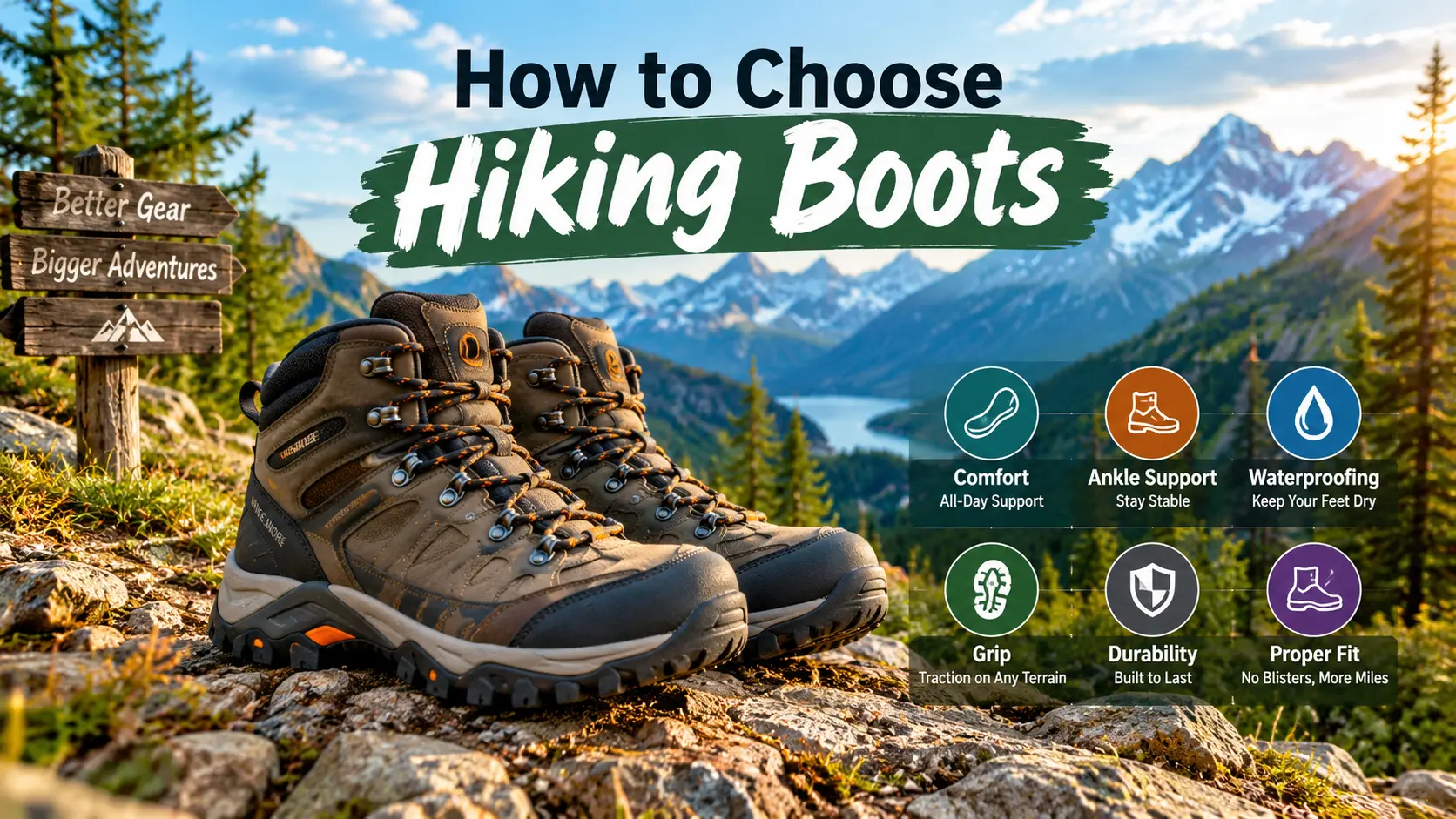
If you are shopping for footwear, our guide on how to choose hiking boots can help you find a pair that grips rock and handles sand.
Hiking Trails Joshua Tree Park with Kids and Pets
Many families enjoy hiking trails Joshua Tree park offers, and the easy loops in this guide are a great place to start. Choose short trails like Hidden Valley, Barker Dam, or Skull Rock, bring lots of water, and let kids climb the rocks, as long as they stay on safe, low boulders. Plan hikes for the morning, before the sun gets strong.
Pets are limited in national parks, and the desert can be hard on them. Dogs are generally restricted to roads, campgrounds, and picnic areas, and they are not allowed on most hiking trails. Hot ground can burn paws quickly, so check the official park rules before you bring a dog, and never leave a pet in a parked vehicle.
Sample Itineraries for Hiking Trails Joshua Tree Park
You can combine hiking trails Joshua Tree park offers in many ways, depending on how much time you have.
One Day in Joshua Tree
Start with Hidden Valley in the morning, then walk Barker Dam before lunch. In the afternoon, enjoy the Skull Rock loop, and finish the day with sunset at Keys View or a short walk among the boulders. Stay for the stars if the sky is clear.
Two Days in Joshua Tree
Spend day one on the nature trails and the Ryan Mountain climb at sunrise. On day two, drive south to Cottonwood for Mastodon Peak or the Lost Palms Oasis hike, which show a very different side of the park.
Three Days in Joshua Tree
Use your extra day for something quieter, such as Warren Peak or Lost Horse Mine. Leave one afternoon free for photography, a slow walk through the boulders, or a ranger program if one is offered.
Wildlife, Plants, and Leave No Trace on Hiking Trails Joshua Tree Park
The desert looks tough, but it is surprisingly fragile. Soil crusts, slow-growing plants, and wildlife all depend on visitors taking care. Follow Leave No Trace principles on every hike on hiking trails Joshua Tree park offers:
- Pack out everything you bring in, including food scraps and tissues.
- Stay on marked trails, because desert plants and soil can take decades to recover.
- Give wildlife space, and never feed animals, including lizards and ground squirrels.
- Watch where you step and where you reach, since rattlesnakes and cactus are common.
- Leave rocks, plants, and historic objects where you found them.
You can learn the seven core principles at Leave No Trace.
Frequently Asked Questions About Hiking Trails Joshua Tree Park
What are the best hiking trails Joshua Tree park has for beginners?
Hidden Valley, Barker Dam, Skull Rock, and Arch Rock are all great starting points. These hiking trails Joshua Tree park visitors enjoy are short, scenic, and mostly flat, so they work well for new hikers and families.
Are hiking trails Joshua Tree park offers open year-round?
Most trails are open all year, but a few close for seasonal reasons. Fortynine Palms Oasis, for example, closes from June 1 to September 30 because of the heat. Check the official park website for the latest alerts.
How much water should I bring?
Plan on about a gallon per person per day, and more for long hikes. Water is not available on most trails, so bring everything you need.
Do I need a pass to hike?
Yes. Joshua Tree charges an entrance fee, and you can pay at the gate or buy a pass ahead of time. If you already own an America the Beautiful pass, it can cover your entry.
How many days do I need?
Two or three days is a good amount of time to enjoy a mix of easy and moderate hikes. If you only have one day, focus on Hidden Valley, Barker Dam, and a sunset viewpoint.
Final Thoughts
Hiking trails Joshua Tree park offers give you a little of everything: giant boulders, shady oases, rocky peaks, and some of the best night skies in the region. Start with an easier trail if you are new to the desert, work up to the moderate climbs, and save the long oasis hikes for cooler months and when you feel ready. For more trail ideas and planning tips, browse our hiking trails blog.
Now that you know the best hiking trails Joshua Tree park has to offer, pick a route, check the weather, and pack plenty of water. Your next great desert adventure is waiting.