Sledding: 10 Best Tips for a Safe, Fun Snow Day (Ultimate Guide)
Sledding is one of the simplest and most joyful ways to enjoy winter. All you need is a hill, some fresh snow, and a sled, and you can create a day of laughter, rosy cheeks, and memories that last long after the snow melts. Whether you are a parent planning a family outing, a group of friends looking for a free afternoon of fun, or an adult who has not touched a sled since childhood, sledding is easy to love.
This guide shares ten of the best sledding tips, from choosing the right sled and finding a safe hill to dressing warmly and staying safe. You will also find game ideas, a packing checklist, and answers to common questions about sledding, so you can plan an easy, fun, and safe snow day.
Why Sledding Is the Perfect Winter Activity
Sledding costs very little, needs no lessons, and works for almost every age. Toddlers can enjoy gentle slopes while teenagers race down bigger hills, and grandparents can cheer from the top with a thermos of hot chocolate. Unlike skiing or snowboarding, sledding does not require lift tickets, rentals, or training, which makes it one of the most affordable winter activities in the United States.
It also gets people outside. Climbing the hill again and again is a surprisingly good workout, and fresh winter air can lift your mood. For anyone who loves hiking and nature, sledding is a perfect way to keep enjoying the outdoors when the trails are covered in snow.
1. Choose the Right Sled for Sledding
The best sled is the one that matches your hill, your snow, and your riders. Here are the most common types.
Plastic Toboggans
Plastic toboggans are a favorite for family sledding because they are lightweight, affordable, and often have room for two riders. Many have handles and a molded seat, which makes them easy to hold and steady. They slide well on packed snow, though they can be slow in deep powder.
Saucers and Discs
Saucers are round, fast, and fun, but they spin and are hard to steer. They are best for gentle, open hills with plenty of space and no obstacles. Because you cannot control them well, they are not the best choice for steeper slopes or hills with trees.
Inflatable Snow Tubes
Snow tubes are soft, bouncy, and comfortable, and they are popular at tubing parks. They can be very fast on icy snow and hard to steer, so choose a hill with a long, flat runout.
Foam Sleds
Foam sleds are light, cheap, and easy to carry, which makes them great for kids. They work best on smaller hills and softer snow, and they are a good option for beginners.
Classic Runner Sleds
Runner sleds have a wooden or metal frame with steel runners and a steering bar. They give you more control than most other sleds, which makes them a smart choice for more experienced riders. They work best on packed snow and need a little more care and storage.
How to Pick the Best Sled for Sledding
When you are choosing a sled, think about three things. First, check the weight limit and size so every rider fits comfortably. Second, look for a way to steer or slow down, such as a steering bar or a brake. Third, think about how easy the sled is to carry up the hill, since you will do that many times. A sled with handles and a lightweight frame can save a lot of energy.
2. Pick a Safe Sledding Hill
The hill matters even more than the sled. A good sledding hill has a gentle to moderate slope, a long, flat runout at the bottom, and plenty of open space. Experts recommend hills that have a flat area at the end so riders can slow down gradually, and sleds with steering when possible.
Look closely at the whole area before you start. Collisions with trees, fences, and other sledders are a leading cause of injury, so avoid hills with obstacles in the path. Stay far away from roads, parking lots, ponds, streams, and steep drop-offs. Rocks, stumps, and fences can hide under fresh snow, so walk the hill first and check for hazards.
If a hill makes you nervous, trust your instincts and choose a smaller one. A smaller hill with a safe runout is often more fun for sledding than a big, risky slope.
3. Wear a Helmet for Sledding
Helmets are one of the easiest ways to make sledding safer. More than 20,000 children are treated for sledding injuries every year, according to research cited by pediatric hospitals. Children are also far more likely than adults to end up in an emergency department after sledding, and head injuries are a serious concern.
A ski or snowboard helmet is a good choice because it is made for cold weather and snow. Hoods and hats do not protect the head as well as a helmet in a collision, so make helmets part of your sledding routine. Make sure the helmet fits snugly, sits level on the forehead, and has a chin strap that is buckled.
Adults can benefit from a helmet too, especially on faster hills. Setting a good example makes it easier to get kids on board.
4. Dress in Warm, Waterproof Layers for Sledding
Sledding is a wet sport. You will sit in snow, fall in snow, and sometimes slide face-first into snow, so waterproof clothing makes a big difference. Dress in layers so you can add or remove clothing as your body warms up from climbing the hill.
- Base layer: thermal tops and leggings that wick moisture away from your skin
- Middle layer: fleece or wool for warmth
- Outer layer: waterproof jacket and snow pants
- Hands: waterproof mittens, which are warmer than gloves, plus a spare pair
- Feet: warm wool socks and waterproof, insulated boots
- Head and neck: a warm hat under the helmet and a neck gaiter instead of a long, loose scarf
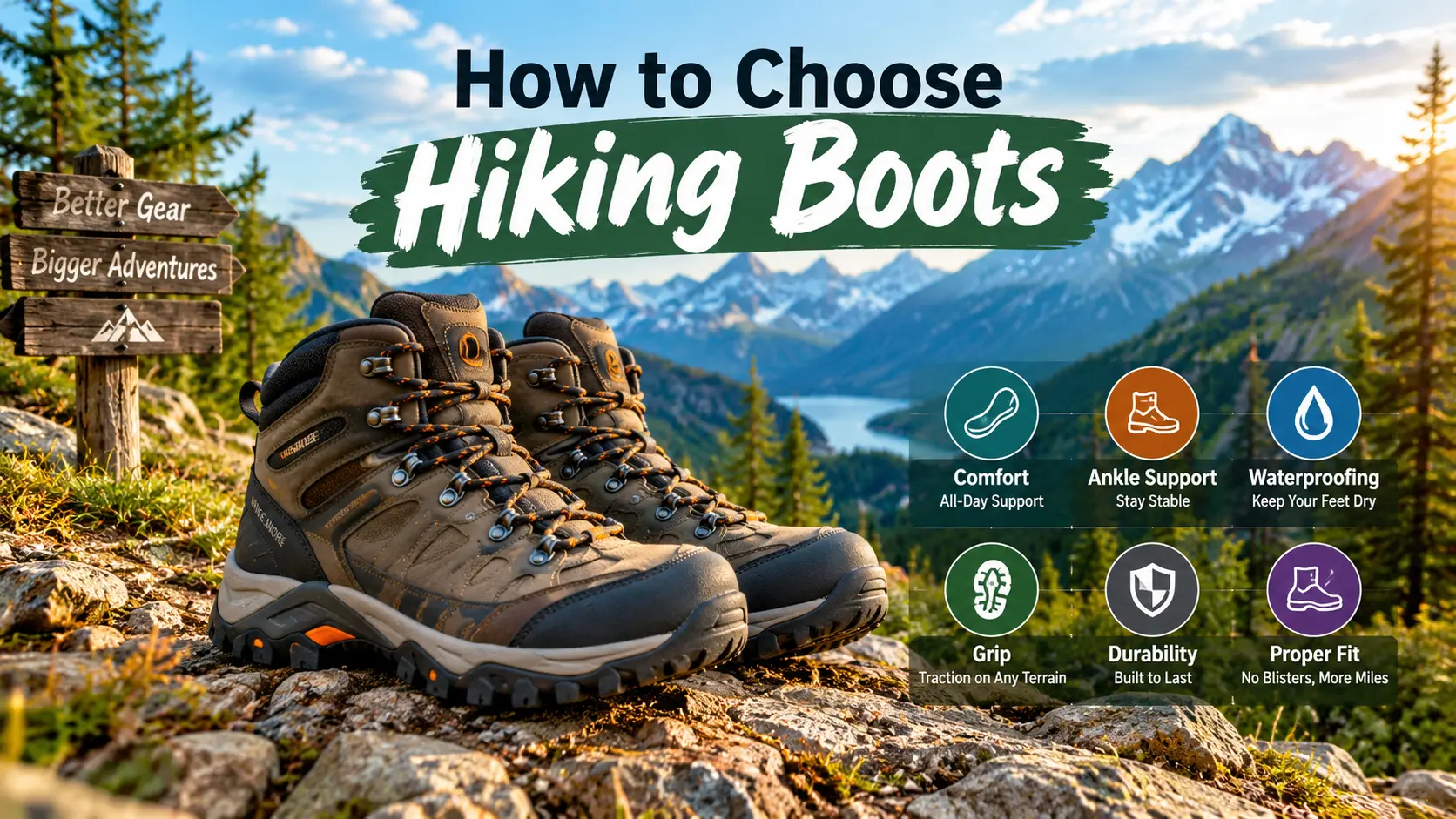
Warm, waterproof boots matter just as much on a hill as on a trail. If you are shopping for footwear, our guide on how to choose hiking boots covers fit, waterproofing, and grip, all of which help you stay comfortable during a long day of sledding.
5. Sit Up or Go Feet First
How you ride matters. Pediatric experts note that sledding feet first or sitting up, instead of lying down head-first, may help prevent head injuries. Head-first riding puts your face and head in the path of anything you might hit, so save it for no one.
Sit upright, keep your feet in front of you, and hold on firmly. Face forward at all times, since spinning sleds and backward rides make it hard to see obstacles. If you are on a saucer or tube that spins, choose a flatter hill and keep the speed low.
6. Supervise Kids and Keep Ages Separated
Adults should supervise children during sledding, especially younger kids. Having a grown-up at the hill can help spot hazards, make sure safety rules are followed, and respond quickly if someone gets hurt. It is also smart to keep small children away from older, faster riders, which reduces the chances of collisions.
If you have a mixed-age group, try setting up two different runs, one for younger kids and a longer one for older kids. Younger children should always have an adult nearby, and parents of toddlers should consider riding with them on a stable sled on a gentle slope.
Teach kids a few simple rules before you begin: go down feet first, never stop in the path, and walk back up the side of the hill. A short talk before sledding can prevent a lot of problems.
7. Check Snow Conditions Before You Go Sledding
The snow can change everything about your sledding day. Fresh, deep powder is soft and slow, so your sled may sink and stop. Packed snow is faster and smoother, which is great for plastic sleds and tubes. Icy snow is the fastest and most dangerous, so avoid hills that feel hard and slick, especially if you cannot control your speed.
Temperature matters too. Cold mornings often create firm, fast snow, while warm afternoons can turn the surface wet and sticky. Check the weather, bundle up, and pick a time of day that gives you good conditions. If the hill looks bare, patchy, or muddy, wait for the next snowfall instead.
8. Learn to Steer and Stop While Sledding
Even with a basic sled, you can learn simple ways to control your sledding speed and direction.
Steering
On a sled with a steering bar, pull gently on the side you want to turn. On a toboggan, shift your weight slightly in the direction you want to go. Saucers and tubes are harder to steer, so choose a wide, open hill if you are using one.
Stopping
The safest way to stop is to use a flat runout at the bottom of the hill. If you need to slow down, drag your feet in the snow, or use the brake on your sled if it has one. Teach kids to start slowing early rather than waiting until the last second.
Bailing Out Safely
If a ride feels out of control, it is better to roll off to the side than to stay on the sled and hit an obstacle. Practice on a small slope so everyone knows what to do. Keep your arms and legs tucked in when you roll.
9. Follow Sledding Hill Etiquette
A busy hill works best when everyone follows a few simple manners. Good etiquette keeps sledding fun and safe for all.
- Clear the run: After you finish, move quickly out of the way so others can slide.
- Walk up the side: Never walk up the middle of the sledding path.
- Take turns: Wait for the track to clear before you start.
- Share the hill: Give space to little kids and beginners.
- Skip jumps and ramps: They may look fun, but they raise the risk of injury.
- Leave no trace: Pack up sleds, trash, and snacks when you leave.
Following the rules makes sledding better for everyone, and it sets a great example for kids.
10. Warm Up and Wrap Up Safely
Cold hands and wet clothes can turn a fun day into a miserable one. Take regular breaks to warm up, drink something hot, and check for cold or wet spots. Watch kids for signs of the cold, like shivering, numb fingers, or complaints about pain in the toes. If clothes get soaked, change into dry ones as soon as possible.
Pack a thermos of hot chocolate or tea, and bring a few warm snacks. Finish your sledding day with dry clothes, a warm car, and a hot meal. Families should end the day with blankets and cocoa, not with an emergency room visit, as one pediatric doctor put it.
Where to Go Sledding in the USA
You do not need to travel far to enjoy sledding. Here are a few places to look.
Local Parks and Neighborhood Hills
City parks, school fields, and golf courses often have hills that work well for sledding after a snowfall. Look for slopes with gentle grades and open space. Check for posted signs, since some places restrict sledding for safety or liability reasons.
State Parks and National Forests
Many state parks and national forests have open hills and snowy areas that are great for winter fun. Rules vary, so check the official website for the park or forest before you go. The National Park Service is a good place to start when you are looking for winter recreation information and alerts.
Ski Resorts and Tubing Parks
Tubing parks have groomed lanes and lifts that carry you back to the top, so you skip the climb. They are a great choice for beginners and families who want a controlled setting for sledding. Check prices and age limits before you book.
Fun Sledding Games and Ideas
Once the basics are covered, add a little extra fun to your sledding day.
- Distance contest: See who can slide the farthest from the same starting line.
- Team relay: Pass a sled to a teammate at the bottom and race it back to the top on foot.
- Snowman challenge: Take a break from sledding and build a snowman at the bottom of the hill.
- Sled decorating: Use washable markers or stickers to personalize sleds before the trip.
- Scavenger hunt: Look for animal tracks, pinecones, and icicles near the hill.
Keep games safe by staying out of the main sledding path, and stop any activity that gets too wild.
Sledding Packing Checklist
Before you head out, make sure you have everything you need.
- Sleds, plus a spare if you can
- Helmets for everyone
- Waterproof jackets, snow pants, and mittens
- Extra gloves, socks, and a change of clothes
- Hats, neck gaiters, and sunglasses or goggles
- Thermos with a hot drink and snacks
- First aid kit and hand warmers
- A tarp or bag for wet gear
- Phone, charged, and a flashlight for late afternoons
A Sample Sledding Day Plan
Here is an easy schedule for a family outing.
Morning: Arrive early while the snow is firm and the hill is quiet. Walk the hill together, check for hazards, and do a few practice runs.
Midday: Take a break for lunch and hot drinks. Check everyone’s hands and feet, and swap out wet gloves or socks.
Afternoon: Enjoy a few more runs, play a game or two, and wrap up before you get too tired. Leave time to pack up, clean up, and head home before dark.
Frequently Asked Questions About Sledding
How much snow do you need for sledding?
You usually need several inches of snow to make sledding smooth and safe. Thin snow over grass or dirt can be bumpy and slow. Packed snow works best, so a hill that has been used for a few hours often gets faster.
Is sledding safe for toddlers?
Sledding can be fine for toddlers on very gentle slopes with an adult nearby, but it takes extra care. Use a stable sled, ride with them if possible, and avoid steep hills and crowded areas. Always keep little kids away from older, faster riders.
What is the best sled for sledding?
It depends on the hill and the riders. Plastic toboggans are a great all-around choice for families, while runner sleds give more control for experienced riders. Look for a sled with handles and, if possible, a way to steer or slow down.
Can adults enjoy sledding too?
Absolutely. Adults can enjoy sledding just as much as kids. Wear a helmet, choose a safe hill, and remember that heavier riders go faster, so be extra careful about the runout.
Do I need a helmet for sledding?
A helmet is strongly recommended, especially for children. Head injuries are a major concern in sledding accidents, and a properly fitted ski or snowboard helmet adds an important layer of protection.
Final Thoughts
Sledding is a classic winter activity for good reason. It is simple, affordable, and fun for almost everyone. Pick the right sled, choose a safe hill, wear a helmet and warm layers, and follow a few basic rules, and you can enjoy sledding all season long. For more outdoor ideas, trail guides, and seasonal tips, browse our hiking trails blog.
Now that you know how to make the most of sledding, grab your sled, bundle up, and head to the nearest snowy hill. Your next great winter memory is waiting at the top.