Frisco Sledding Accident: 10 Essential Safety Lessons (Proven Tips)
A winter day in the snow should end with cold cheeks, warm drinks, and happy memories. The Frisco sledding accident in January 2026 reminded families across the country how quickly a moment of fun can turn tragic. Two teenage girls died after a sled they were riding was pulled behind a vehicle, and the community, the school district, and many families are still mourning.
This article looks at what officials have said about the Frisco sledding accident and, more importantly, what every family can learn from it. You will find ten practical safety lessons, tips for talking with teens, advice for places that rarely see snow, and answers to common questions. Our goal is to be respectful, factual, and helpful, and to honor those affected by sharing information that may help prevent another tragedy.
What Happened in the Frisco Sledding Accident
The details below come from official statements and news reports. We have chosen not to name the young people involved out of respect for their families and because the people involved were minors.
Timeline and Location
The Frisco Police Department reported that officers and firefighters responded at about 2:26 p.m. on Sunday, January 25, 2026, to a report of an accident near Majestic Gardens Drive and Killian Court in Frisco, Texas. They found two 16-year-old girls with life-threatening injuries and began emergency care. Both were taken to local hospitals, where one girl died. The other was in critical condition and died a few days later, according to police and the school district.
What Police Have Said
According to the police, the preliminary investigation indicated that a 16-year-old boy was driving a Jeep Wrangler that was pulling the two girls on a sled, and witnesses reported that the sled struck a curb and then collided with a tree. The department said the Frisco sledding accident remained under active investigation with support from the Denton County District Attorney’s Office.
Police also addressed rumors that spread online. They said there had been no indication that alcohol was involved, and they asked people to be careful about sharing unverified information. As of the reports available to us, officials had not said whether any charges would be filed. For the latest updates, please check the City of Frisco website and local news.
Why We Are Writing About It
People are searching for information about the Frisco sledding accident because they are sad, curious, or worried about their own families. We hope this article gives clear information and practical safety advice without speculation, blame, or sensationalism.
Why the Frisco Sledding Accident Shocked the Community
The loss was deeply felt in Frisco and well beyond it. Both girls were students at the same high school, and school leaders said the whole campus community was affected. When students returned to class, the school planned to honor both girls. Families, classmates, and neighbors created memorials and shared tributes.
The Frisco sledding accident also came during a rare winter storm in North Texas, when many families were enjoying snow that they do not see often. Children’s hospitals in the region reported treating a large number of sledding injuries in a short time. Cook Children’s said that more than 50 children had been treated for sledding injuries since the weekend. That context matters, because people who rarely see snow may not know the safety rules that families in snowy states learn early.
Understanding the Risks Behind the Frisco Sledding Accident
Every sledding accident is different, and each one has its own details, but certain risks appear again and again. Understanding them can help you spot danger before it happens.
Towing a Sled Behind a Vehicle
When a person is pulled on a sled behind a car, truck, SUV, or ATV, they have no real control over speed or direction. A small turn, a bump, or sudden acceleration can swing the sled sideways and fling riders toward hard objects. One neighbor described seeing the vehicle accelerate quickly before the sled disappeared from view, which shows how fast things can change.
Hard Objects Like Curbs and Trees
Curbs, trees, fences, mailboxes, signposts, and parked cars do not give way. A sled that hits a curb can bounce or flip, and a collision with a tree can cause severe injuries even at moderate speed. Residential streets and yards are full of these hazards.
Ice and Slippery Surfaces
Police reminded the public that snow and ice create extremely slippery surfaces. Roads, driveways, and sidewalks can be much more dangerous in winter than they look, and stopping distances grow dramatically. That is true for vehicles and for anyone being pulled behind them.
Speed and Loss of Control
Sleds do not have brakes. Even on a hill, speed can build quickly, which is why a long flat runout and a clear path matter so much. When speed comes from a motor instead of gravity, the risk rises sharply.
10 Essential Sledding Safety Lessons from the Frisco Sledding Accident
Here are ten lessons every family can use, whether you live in a snowy state or you are enjoying a rare snow day.
1. Never Tow a Sled Behind Any Vehicle
This is the most important lesson of the Frisco sledding accident. Never pull a sled, tube, or any person behind a car, truck, SUV, ATV, snowmobile, or golf cart on a street or neighborhood road. It is dangerous, it can be illegal in many places, and the consequences can be permanent. The family of one of the girls said they hope the loss reminds people of the dangers of sledding behind vehicles, even in quiet neighborhoods.
2. Choose a Proper Sledding Hill
Choose a hill designed for sledding or at least open, gentle, and free of hazards. The best hills have a mild slope and a long, flat runout at the bottom where riders can slow down gradually. Avoid steep slopes, roads, and anywhere a sled could slide into traffic.
3. Check for Curbs, Trees, and Other Obstacles
Walk the hill before you start. Look for trees, fences, curbs, rocks, benches, poles, and drains. Remember that obstacles can hide under snow. If you see anything you could hit, choose a different spot.
4. Stay Away from Roads, Driveways, and Parking Lots
Sleds can slide farther than you expect, especially on ice. Never sled toward a street or a parking lot, and never share space with moving vehicles. Make sure the end of the run cannot lead to traffic.
5. Wear a Helmet
Head injuries are one of the most serious risks in sledding. A properly fitted ski or snowboard helmet is a smart choice for children and teens, and adults can wear one too. Hoods and hats are not helmets, and they do not protect the head in a collision.
6. Sit Up, Face Forward, and Go Feet First
Ride sitting up and facing forward, and avoid lying down head-first. Hold on firmly, keep your arms and legs inside the sled, and do not stand up while moving. Teach kids and teens that how you ride can matter as much as where you ride.
7. Supervise Children and Talk to Teens
Young children need an adult nearby. Teenagers may not want supervision, but they still need clear rules and honest conversations. Before the snow comes, talk with them about the dangers of towing sleds and about speaking up when something feels unsafe, even when friends are excited.
8. Control Your Speed and Avoid Ice and Jumps
Skip jumps, ramps, and fast icy surfaces, and slow down if the hill becomes slick. A sled on ice can reach speeds that are hard to stop, so choose gentler terrain and avoid hard-packed, glassy snow.
9. Know Local Conditions and Rules
Check the weather and the condition of the snow before you go. Some parks and towns restrict sledding on certain hills, and rules about towing and vehicle use can differ by city and state. When in doubt, ask local officials or check the local park website.
10. Have an Emergency Plan
Before you leave home, know how to call 911, share your location, and describe where you are. Carry a charged phone, a small first aid kit, and warm blankets. If someone is hurt, stay calm, call for help, and follow the dispatcher’s instructions.
Talking to Teens About Sledding Safety After the Frisco Sledding Accident
Teenagers are old enough to think independently, but they are also strongly influenced by friends and excitement. After the Frisco sledding accident, many parents wondered how to start the conversation. Here are a few ideas.
- Start with listening. Ask what they have heard and how they feel. Many teens are scared and sad, especially if they knew someone involved.
- Be direct about the risk. Explain that towing a sled behind a vehicle is never safe, even at low speeds and even in a quiet neighborhood.
- Avoid blame and lectures. Teens respond better to honest, calm conversations than to long warnings.
- Give them an exit plan. Tell them they can call you for a ride or a pickup at any time if a situation feels unsafe, with no questions asked in the moment.
- Lead by example. Wear helmets, follow rules, and choose safe hills when you sled with them.
Young drivers need to hear that a vehicle is not a toy. A driver is responsible for everyone behind and around the vehicle, and snow and ice make every decision more serious.
Sledding Safety for Families in Places That Rarely See Snow
After the Frisco sledding accident, safety experts and hospitals urged families in warm-weather states to take extra care. When snow is rare, people often do not have sleds, helmets, winter clothing, or experience with icy conditions, so they may improvise.
Improvised sledding can be especially risky. Items like cardboard, plastic bins, or objects pulled by ropes can be hard to control. If you do not have a proper sled, a simple plastic sled on a gentle, open hill is safer than a makeshift setup. Before heading out, look for a spot that is truly designed for the activity, such as a park hill with a clear runout, and keep your plans simple.
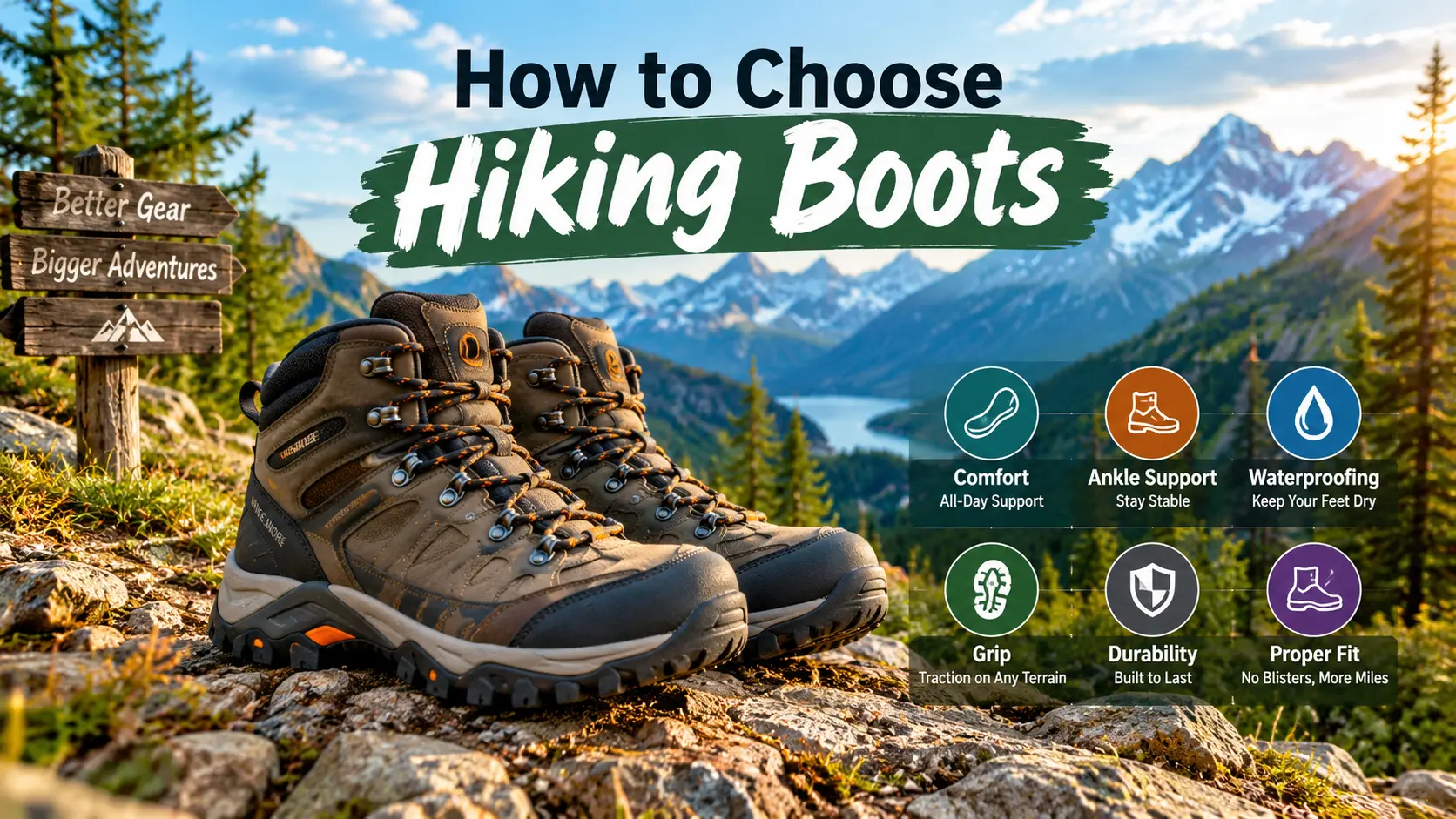
Winter weather can also bring black ice, freezing temperatures, and slippery stairs and sidewalks. Dress warmly, wear grippy boots, and take breaks to warm up. Our guide on how to choose hiking boots can help you pick footwear with good traction and waterproofing, which also helps on slick winter ground.
What to Do If a Sledding Accident Happens
No one wants to think about it, but knowing what to do can make a difference. This is general information and not a substitute for professional medical training.
- Call 911 right away if someone is seriously hurt, unresponsive, or has a possible head, neck, or back injury.
- Do not move the injured person unless they are in immediate danger, such as being near traffic.
- Keep them warm. Cover them with coats or blankets, especially in cold weather.
- Stay with them and keep talking calmly until help arrives.
- Give clear information to the dispatcher, including your location and what happened.
- Send someone to meet responders if you are in a hard-to-find area.
Taking a first aid or CPR class is one of the best things a family can do before the winter season.
Safe Alternatives to Towed Sledding
If your kids want speed and excitement, there are safer ways to enjoy the snow than being pulled behind a vehicle.
- Groomed tubing parks: Dedicated lanes, lifts, and staff make tubing a controlled experience. See our guide to Poconos tube sledding for an example of how organized tubing parks work.
- Open, gentle hills with a clear runout: Choose a park hill that is free of trees, fences, and roads, and use a sled with some steering.
- Snow play on flat ground: Build snowmen, make snow forts, and try a snow scavenger hunt.
- Winter hikes or snowshoeing: If you enjoy the outdoors, a winter walk can be a peaceful alternative. Browse our hiking trails blog for more ideas.
For more everyday safety advice, read our sledding tips.
Sledding Safety Checklist
Use this quick checklist before every sledding trip.
- Choose a hill with a gentle slope and a long, flat runout
- Walk the hill and check for trees, curbs, fences, and rocks
- Stay far from roads, driveways, and parking lots
- Never tow a sled behind any vehicle
- Wear helmets on all riders
- Ride sitting up, facing forward, and feet first
- Supervise young children and set clear rules for teens
- Avoid ice, jumps, and ramps
- Charge your phone and know how to call 911
- Dress in waterproof layers and bring a first aid kit
Supporting Families and Communities After a Tragedy
Events like the Frisco sledding accident affect many more people than those directly involved. Friends, classmates, teachers, first responders, and neighbors all feel the loss. Here are a few ways to be supportive.
- Be kind and respectful online. Avoid spreading rumors or sharing unverified information, which police have asked people to avoid.
- Respect the families’ privacy. Give them space to grieve and avoid pressing for details.
- Support students and young people. Encourage them to talk with trusted adults, school counselors, or mental health professionals.
- Reach out if you are struggling. If you or someone you know is having a hard time, talk to a counselor or a trusted adult. In the United States, you can call or text 988 at any time to reach the 988 Suicide and Crisis Lifeline.
Grief takes time, and everyone processes it differently. Gentle support goes a long way.
Frequently Asked Questions About the Frisco Sledding Accident
What happened in the Frisco sledding accident?
According to the Frisco Police Department, two 16-year-old girls were on a sled being pulled by a Jeep Wrangler driven by a 16-year-old boy on January 25, 2026. Witnesses reported that the sled struck a curb and then hit a tree. Both girls were taken to hospitals, and both later died.
Was anyone charged in the Frisco sledding accident?
Police said they were working with the Denton County District Attorney’s Office on the investigation. In the reports we reviewed, officials had not said whether any charges would be filed. For the latest information, check official statements from the City of Frisco and local news.
Is it ever safe to tow a sled behind a car or truck?
No. Pulling a person on a sled behind any vehicle is dangerous because the rider cannot control speed or direction, and the risk of hitting a hard object is high. It is also illegal in many places. Choose a safe hill instead.
How can parents talk to teens about sledding safety?
Start with an honest, calm conversation. Explain the risks of towing sleds, give clear rules, and let your teen know they can call you for help at any time. Setting a good example with helmets and safe habits makes a big difference.
Where can I find official updates?
The City of Frisco and the Frisco Police Department post official statements, and local news outlets in the Dallas-Fort Worth area follow updates on the investigation.
Final Thoughts
The Frisco sledding accident was a heartbreaking loss, and our thoughts are with the families, friends, classmates, and community who are grieving. The most meaningful thing the rest of us can do is learn from it. Never tow a sled behind a vehicle, choose safe hills with a clear runout, wear helmets, supervise young riders, and talk openly with teens about risk.
If you are planning a snow day, take a moment to review these lessons with your family before you go outside. A few minutes of preparation can protect the people you love. For more outdoor safety tips and seasonal guides, explore our hiking trails blog.