Lead Sled: 10 Best Tips for Accurate Shooting (Proven Guide)
A lead sled can turn a punishing range session into a comfortable, productive one. If you have ever winced through a box of rounds while trying to sight in a rifle, you already know that recoil can ruin accuracy. A lead sled solves that problem: it is a heavy, adjustable shooting rest that holds your firearm steady and soaks up much of the kick, so you can focus on the target instead of bracing for the next shot.
In this guide, a lead sled means the recoil-reducing shooting rest, not a snow sled. If you are looking for a winter hauling sled instead, see our guide to the jet sled.
This article explains what a lead sled is, how it works, what to look for, and ten of the best tips for using one safely and accurately. You will also find a step-by-step sight-in routine, safety rules, a packing checklist, and answers to common questions.
What Is a Lead Sled?
A lead sled is a shooting rest built around a steel frame that holds a rifle or shotgun in a fixed cradle. The “lead” in the name comes from the weight you load into a tray on the base. Traditionally, that weight has been bags of lead shot, and the extra mass helps absorb recoil and keeps the rest planted on the bench. Caldwell is the best-known maker, and its product name has become shorthand for the whole category.
Because the firearm is supported at the front and rear, you do not have to hold it up or fight the recoil. That is why this type of rest is so popular for sighting in scopes, testing ammunition, and helping recoil-sensitive shooters stay comfortable through a long session.
How a Lead Sled Reduces Recoil
When a firearm fires, the energy has to go somewhere. In a standard shooting position, much of it goes into your shoulder. The rest spreads that energy through its frame, a recoil-absorbing rear pad, and the weight in the tray. The extra mass makes the whole system harder to push around, so the kick feels softer and the firearm returns to nearly the same spot after each shot.
That consistency is the real benefit. When you are not flinching or shifting, you can see what your rifle and ammunition are actually doing.
Lead Sled vs. a Regular Shooting Rest
Many shooters use sandbags, a bipod, or a simple front rest. These work well, but they usually leave the rear of the firearm in contact with your shoulder, so you still feel the full recoil. A lead sled supports both ends and adds weight, which makes it a better choice for heavy-recoiling rifles and long sight-in sessions. The trade-off is size and weight, since it is bulky and not something you carry into the field.
Lead Sled Features and Specs
The Caldwell Lead Sled DFT 2 is one of the most popular models, so it is a helpful example. Specs can change by model and year, so always confirm the details on the maker’s page.
Weight and Size
The DFT 2 weighs about 24 pounds empty, measures roughly 30 inches long by 12 inches wide, and holds up to 100 pounds of lead shot in its weight tray. One reviewer found that capacity more than adequate for a large .30-caliber magnum rifle. The frame is all steel with a powder-coated finish, which holds up in wet weather and humidity. caldwellshootingalloutdoor
Adjustability
The dual frame design lets you slide the front cradle back and forth to fit a wide range of rifle and shotgun lengths. Caldwell lists the adjustment at about 16.5 to 18 inches, depending on where you look, and the elevation wheel adds up to about 2.5 inches of fine adjustment. Windage and elevation changes are meant to be quick and easy, which helps when you are zeroing a scope. caldwellshootingguns
Recoil Pad and Rubber Feet
A recoil-absorbing pad sits at the rear of the rest to cushion the shot, and rubber-tipped feet help keep the sled from sliding on the bench. One reviewer noted that the feet do a good job, though they are not perfectly foolproof, and that the rear shoulder cradle can feel uncomfortable even though it reduces recoil well. cabelasalloutdoor
Compatibility
The dual frame design leaves room for detachable magazines, including larger ones, and the rest is made to fit lever-action rifles and shotguns too. Before you buy, check that your firearm’s shape, magazine, and forend will sit securely in the cradle. cabelas
Typical Prices
Prices vary a lot. At the time of this research, the maker listed the DFT 2 at about $325, while some retailers showed sale prices between roughly $160 and $240. Other listings showed the model as discontinued or out of stock, so availability can change. Compare current prices and check whether you need to buy lead shot or weight bags separately. Lead Sled® DFT 2 +3
Other Lead Sled Models
Caldwell also sells a smaller Lead Sled Solo 2, which is listed at a lower price point near $132, plus replacement weight reservoirs. A smaller rest can work well for lighter-recoiling rifles and for shooters with limited space, but it will not absorb as much recoil as a larger, heavier unit. fdmoutfitters
Who Should Use a Lead Sled?
This rest is a great tool for many types of shooters.
- New shooters: It removes much of the recoil, which helps build confidence and prevents bad habits like flinching.
- Recoil-sensitive shooters: People with shoulder pain, injuries, or a low tolerance for recoil can shoot longer and more comfortably.
- Hunters sighting in rifles: Zeroing a hard-kicking rifle is easier on your shoulder with this rest.
- Handloaders and ammo testers: Consistent support makes it easier to compare groups between loads.
- Young shooters under adult supervision: It can make a firearm more manageable, but supervision and proper instruction are essential.
10 Best Tips for Using a Lead Sled
1. Start with a Stable Bench
This rest is only as steady as the surface under it. Use a sturdy shooting bench that does not wobble, and make sure the rubber feet sit flat. A solid foundation makes every adjustment easier.
2. Add the Right Amount of Weight
More weight usually means less felt recoil, but only up to the limit listed by the maker. Fill the tray evenly, and use properly sealed bags of lead shot or another approved weight. Do not exceed the capacity of your rest.
3. Keep the Firearm Unloaded While You Set Up
Place the firearm in the cradle with the action open and the firearm unloaded. Make sure the muzzle points downrange at all times, and load only when you are in position and ready to shoot.
4. Adjust the Length for Proper Eye Relief
Slide the front cradle until the firearm sits comfortably, and set your scope’s eye relief so you can see a full sight picture without touching the scope. A good setup prevents scope bite and keeps your head in a natural position.
5. Use the Elevation Wheel for Fine Changes
The elevation wheel is designed for small, smooth adjustments. Use it to bring your crosshair onto the target without lifting the firearm or shifting the whole rest.
6. Secure the Firearm Snugly, Not Too Tight
A strap or cradle should hold the firearm firmly without squeezing it. If the strap is too tight, it can affect how the rifle moves during recoil. If it is too loose, the firearm may shift between shots.
7. Stay Relaxed and Consistent
Even with a rest like this, your body position matters. Keep your cheek weld, shoulder contact, and trigger pull consistent. A relaxed, repeatable setup gives you more reliable groups than a stiff, tense one.
8. Do Not Fight the Recoil
Let the lead sled do its job. If you pull the firearm tightly into your shoulder or try to muscle it, you can change where the shots land. Gentle, steady contact is usually best.
9. Confirm Your Zero from a Field Position
A rifle zeroed on a bench may print slightly differently when shot from a bipod, sandbags, or a sling position. If you plan to hunt or shoot in the field, confirm your zero from the positions you will actually use.
10. Protect Your Eyes and Ears and Take Breaks
Always wear properly rated hearing and eye protection, and take breaks to let the barrel cool. A lead sled reduces recoil, but it does not reduce noise, and fatigue can lead to mistakes.
How to Sight In a Rifle with a Lead Sled
Here is a simple step-by-step routine. Always follow the rules of your range and the instructions for your firearm, scope, and ammunition.
- Set up safely. Place the rest on a stable bench and fill the weight tray to the recommended level.
- Position the firearm. With the firearm unloaded and the action open, place it in the cradle and adjust the length and elevation for a comfortable sight picture.
- Check your scope. Make sure the scope is mounted correctly, the reticle is level, and the eye relief is right.
- Load and fire a group. Load the firearm only when you are ready, and fire a small group of shots at the same aiming point, such as three shots.
- Measure the group. Check where the center of the group landed compared with your aiming point.
- Adjust the scope. Follow your scope’s instructions to move the point of impact, and make small, careful changes.
- Fire another group. Repeat until the group is centered where you want it.
- Confirm your zero. Shoot a final group, then verify from your field position if you will not be shooting from a bench.
- Unload and clean up. Make the firearm safe, remove it from the cradle, and clear your area.
Lead Sled Safety Tips
This rest makes shooting more comfortable, but it does not make firearms safe on its own. Safety rules apply every time.
Follow the Basic Firearm Safety Rules
- Treat every firearm as if it is loaded.
- Keep the muzzle pointed in a safe direction.
- Keep your finger off the trigger until you are ready to shoot.
- Know your target and what is beyond it.
The National Shooting Sports Foundation offers more information on firearm safety.
Handle Lead Shot Carefully
Lead is a toxic material, so treat it with care. Wash your hands after handling lead shot, avoid eating or drinking while you handle it, and keep it away from children and pets. Store it in sealed, labeled containers, and keep weight bags in good condition so they do not leak.
Follow Range Rules
Every range has its own rules about equipment, firing lines, and cease-fire commands. Ask a range officer if you are unsure whether this rest is allowed, and follow all instructions.
Supervise Young Shooters
If a young person is using a lead sled, an adult must provide close supervision and instruction. It can make recoil gentler, but it does not replace safe handling skills.
Common Mistakes with a Lead Sled
Even experienced shooters can make these errors.
- Using too little weight: The rest may slide or feel harsh.
- Overloading the tray: Exceeding the weight capacity can damage the rest.
- Setting the scope too close: The scope can hit your face if eye relief is wrong.
- Skipping a field check: The zero may shift when you leave the bench.
- Ignoring comfort: If your position is awkward, your groups will suffer.
- Forgetting hearing protection: Reduced recoil can make shooting feel mild, but noise is still dangerous.
Lead Sled Maintenance and Storage
A good lead sled can last for many years with simple care.
- Wipe it down: Clean off dust, dirt, and moisture after each session.
- Prevent rust: Even powder-coated steel can rust if it stays wet, so dry the frame and touch up any chips.
- Check the pads and straps: Replace worn rubber or straps before they fail.
- Store weight safely: Keep lead shot in sealed containers, away from living areas, children, and pets.
- Keep it dry: Store the rest indoors or in a dry garage or shed.
Lead Sled Alternatives
If a lead sled is too big or too expensive, there are other ways to steady a rifle.
- Sandbags: Front and rear bags are affordable and flexible, though they do not absorb as much recoil.
- Bipods: A bipod is lightweight and great for field use, but it is less stable than a bench rest.
- Front rest and rear bag combos: These are popular with precision shooters.
- Mechanical recoil-reducing rests: Some rests use springs or hydraulic systems rather than weight.
Many shooters use one for sight-in and load testing, then switch to field supports for real-world shooting.
What to Wear and Bring to the Range
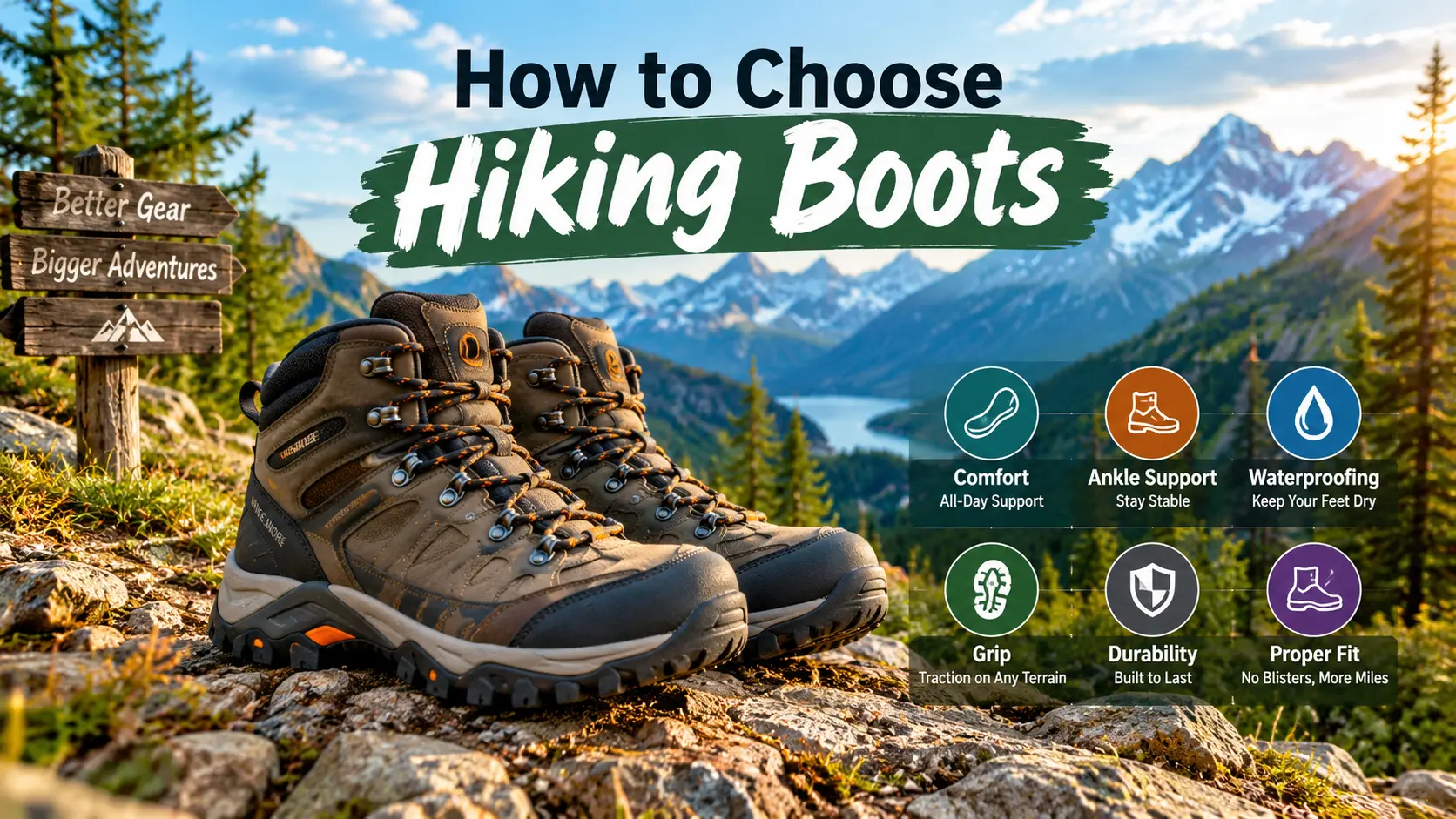
Comfort matters when you spend hours at a bench. Wear closed-toe, supportive footwear, since shooting ranges can have gravel, brass, and uneven ground. If you shop for new boots, our guide on how to choose hiking boots covers fit and traction, which also help at an outdoor range. Dress in layers for changing weather, and bring sunscreen and a hat for outdoor ranges.
A Sample Range Day with a Lead Sled
Here is an easy plan for a half-day session.
Arrival: Check in at the range, review the rules, and choose a bench. Set up the rest and fill the weight tray.
Warm-up: Fire a few shots to settle the firearm and confirm the setup is secure.
Sight-in: Shoot a group, adjust your scope, and repeat until your point of impact is where you want it.
Break: Rest your eyes and ears, let the barrel cool, and review your targets.
Confirmation: Shoot a final group from the position you plan to use in the field.
Cleanup: Unload, clear your area, pack up your gear, and clean your firearm at home.
Lead Sled Packing Checklist
- Lead sled and weight (properly sealed)
- Firearm, case, and ammunition
- Scope tools and a small level
- Targets, staples or tape, and a marker
- Hearing and eye protection
- Spotting scope or binoculars
- Gloves for handling lead and clean-up wipes
- Water, snacks, and sun protection
- First aid kit
- Notebook and pen to record your groups
Frequently Asked Questions About Lead Sled
What is a lead sled used for?
It is used to steady a rifle or shotgun and reduce felt recoil, usually for sighting in scopes, testing ammunition, or shooting comfortably for longer sessions.
How much weight should I put in a lead sled?
Follow the maker’s recommendation. A popular model such as the DFT 2 is rated to hold up to 100 pounds of lead shot, but you should never exceed the limit for your specific model, and many shooters use less than the maximum.
Does a lead sled eliminate recoil?
No. It reduces felt recoil by spreading the energy through the frame and weight, but you will still feel some movement, especially with heavy-recoiling rifles.
Can I use a lead sled for hunting?
It is designed for bench use, such as sighting in and load testing. It is too bulky for the field, so use a bipod, sticks, or another field rest while hunting.
Is a lead sled worth the money?
For many shooters, yes, especially those who sight in hard-kicking rifles or who are sensitive to recoil. If you only shoot occasionally or prefer lightweight gear, sandbags or a bipod may be enough.
Final Thoughts
A lead sled is one of the most useful tools you can bring to the range if you want comfortable, consistent, and accurate shooting. Choose a model that fits your firearm and budget, set it up on a stable bench, add the right weight, and follow basic safety rules every time. With a little practice, it can help you shoot better, protect your shoulder, and make every range day more enjoyable. For more outdoor guides, gear tips, and seasonal ideas, browse our hiking trails blog.
Before you buy, check the maker’s official Lead Sled DFT 2 page for current specs and pricing, and always follow your range’s rules. Now you know how to use a lead sled safely, so pack your gear and enjoy your next session.